HOUSE
*
HOUSE *
For my Unreal Project: THESEUS, I have been building a realistic Santa Fe style home interior for the experience to take place in, inspired by the construction methods in my own home.
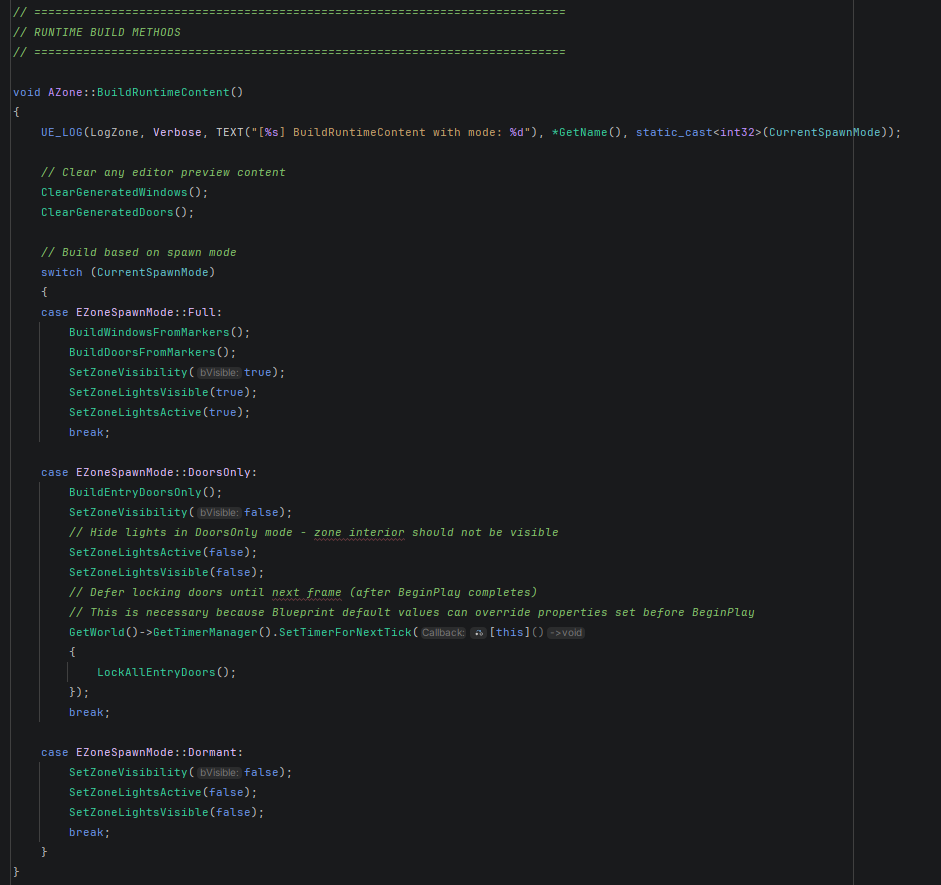
Because the game dynamically streams sections of the level for performance optimization and , I have gone about building the floorplan modularly with different rooms relegated to entirely separate Zone Blueprints. These zones are instantiated at runtime by the Zone System—a custom C++ framework I developed that acts as a central controller for spawning, de-spawning, and managing the visibility state of each area. The system allows zones to exist in different modes (Full, Doors Only, or Dormant), enabling the home to function as an optimized, ever-shifting environment where only the necessary geometry is loaded at any given time. This approach keeps memory usage low while maintaining visual continuity through strategically placed entry doors that hint at spaces beyond.
Because of the modular mesh structure, I have found myself using lots of World Space Materials to ensure seamless wall module transitions and threshold textures to hide incongruous floor texture transitions between meshes. In an effort to recreate the threshold floor tiles in my own home, I made a custom procedural material in Substance Designer.
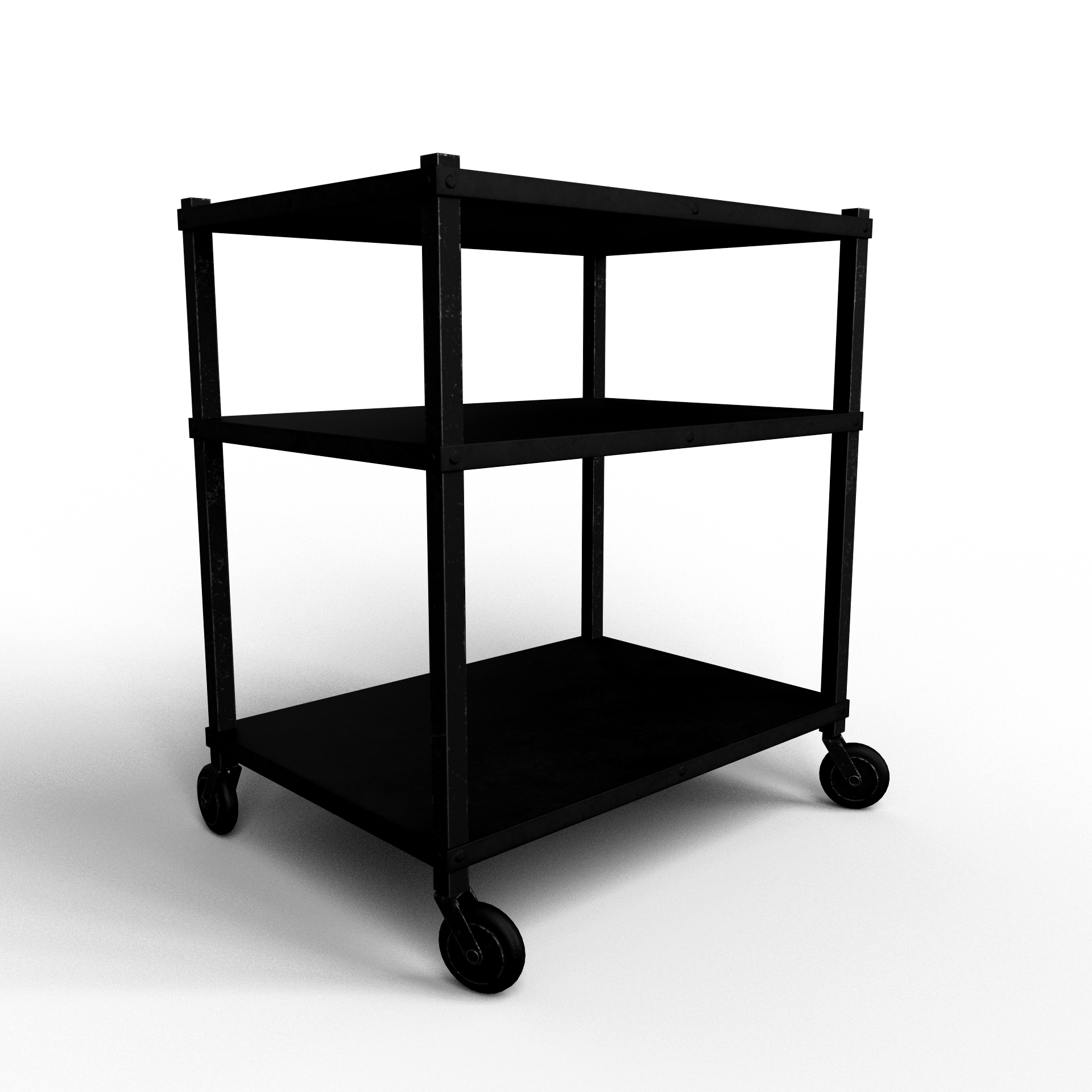
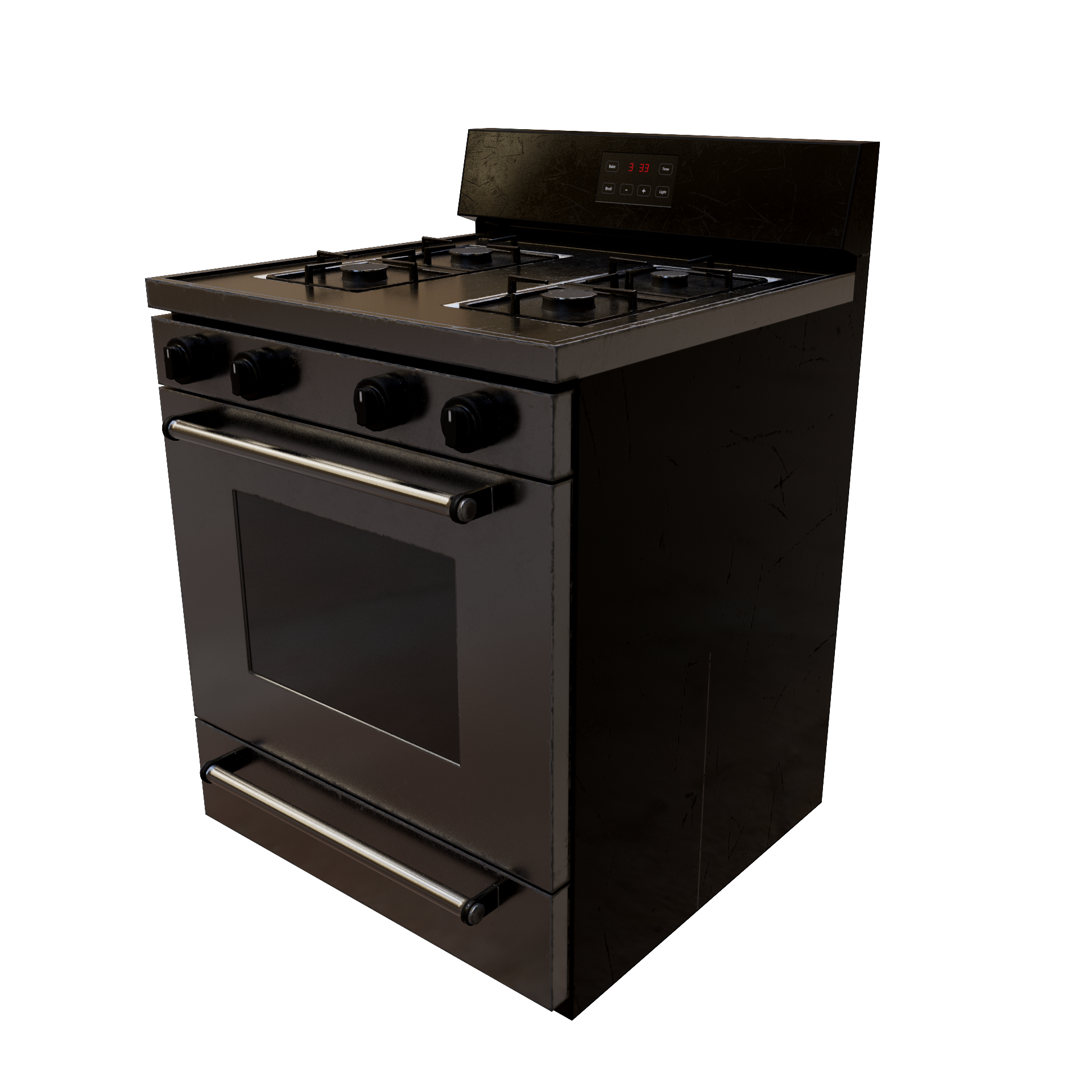
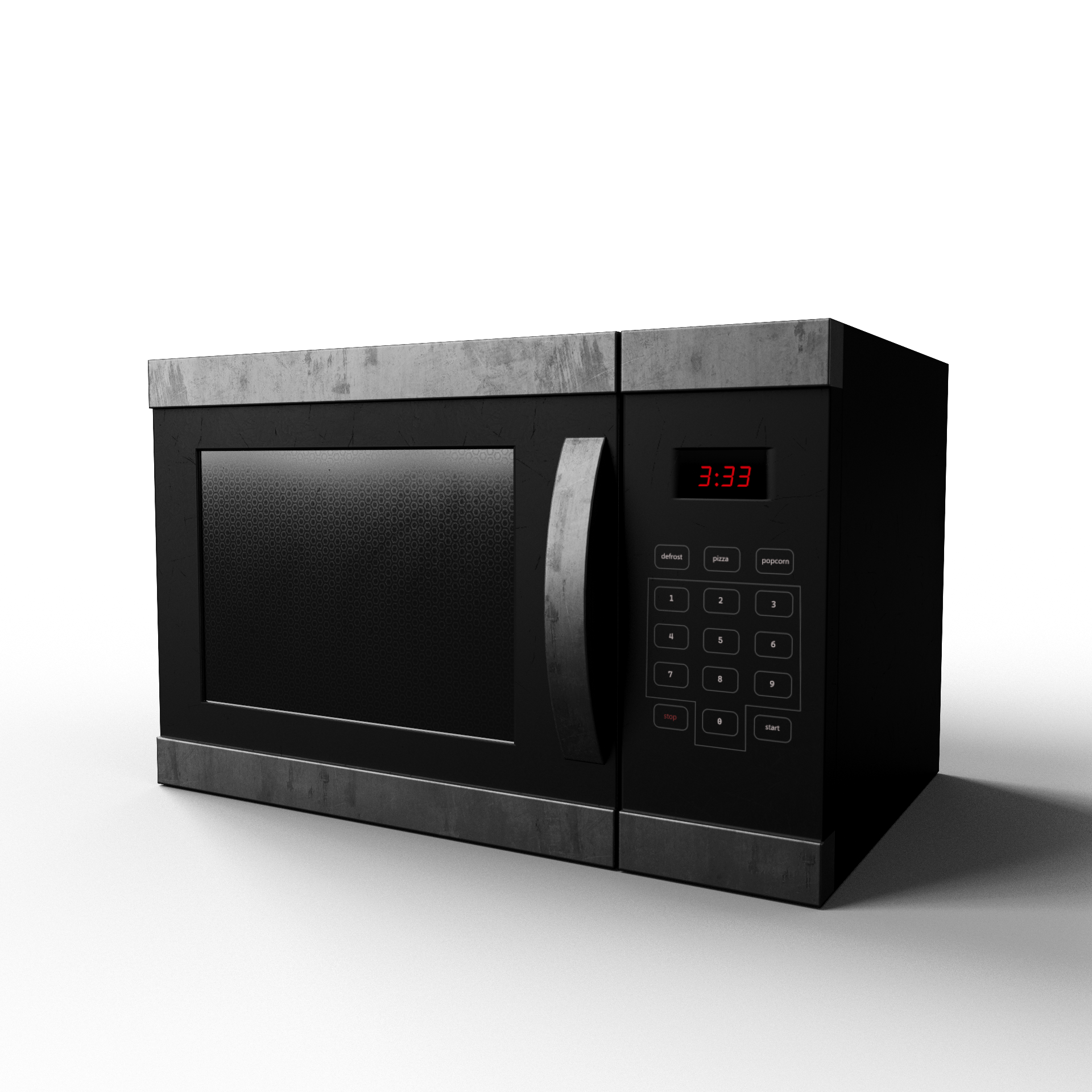
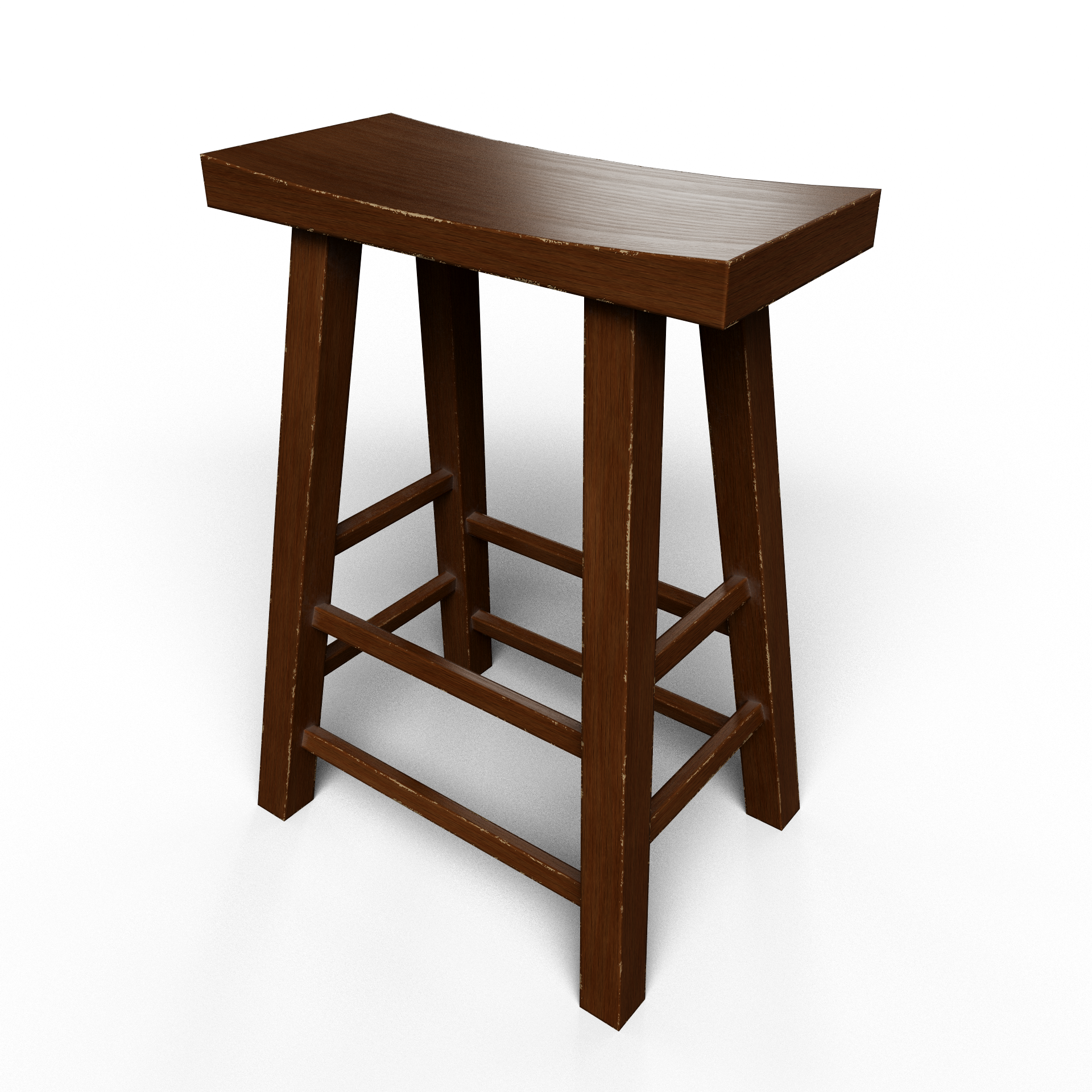
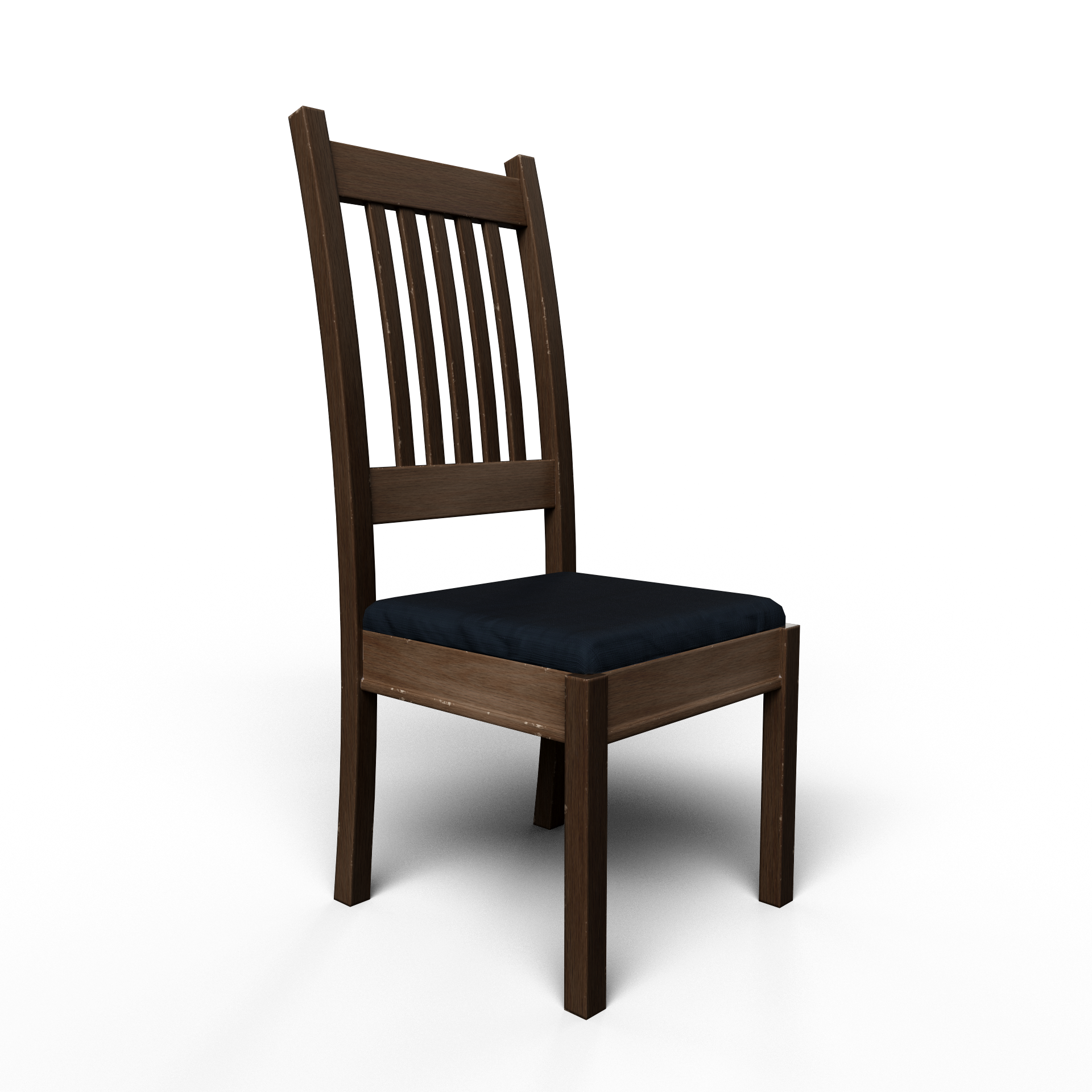
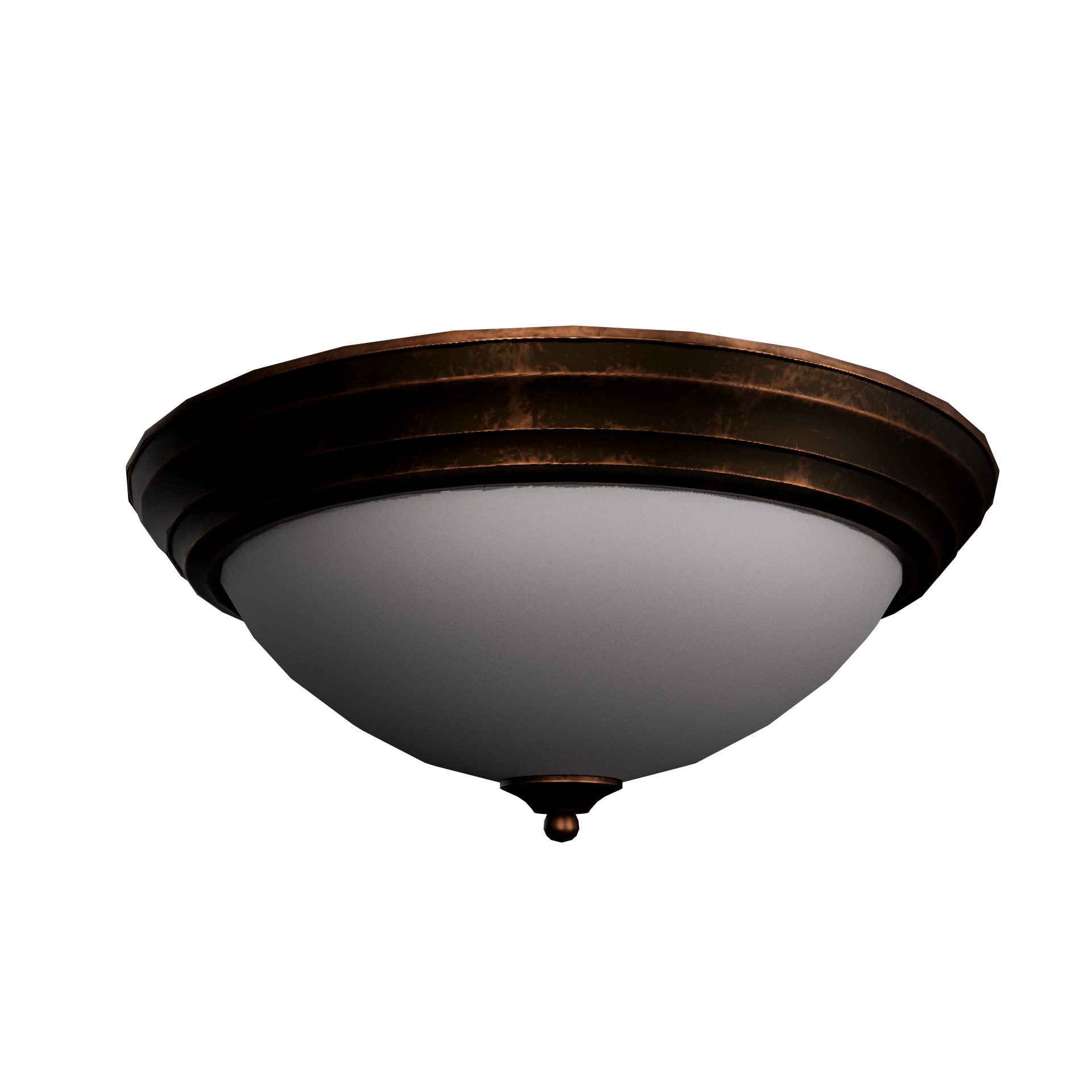
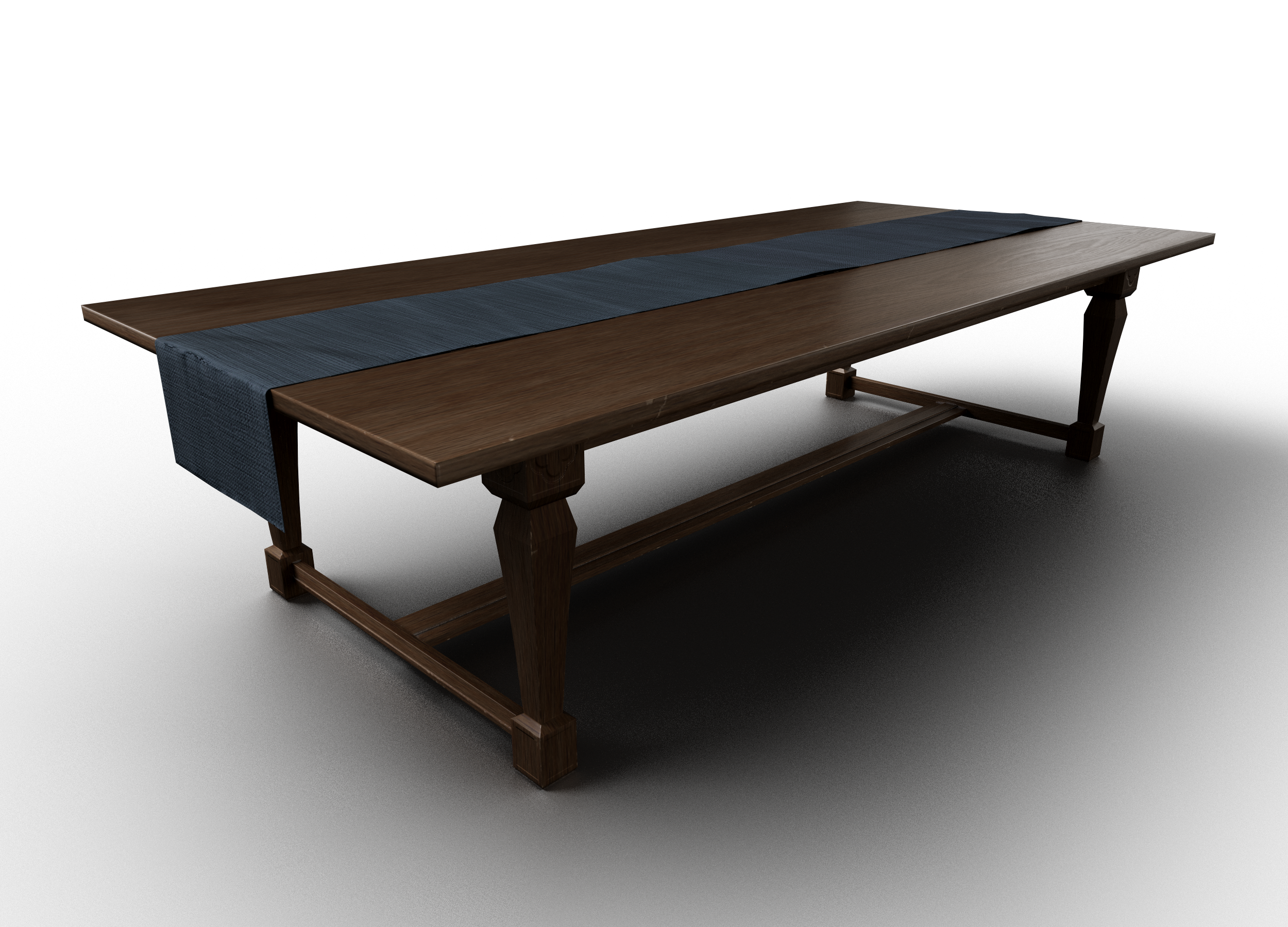
In addition to the architecture, I modeled a variety of mid-poly props in Blender and Substance Painter to furnish the space.
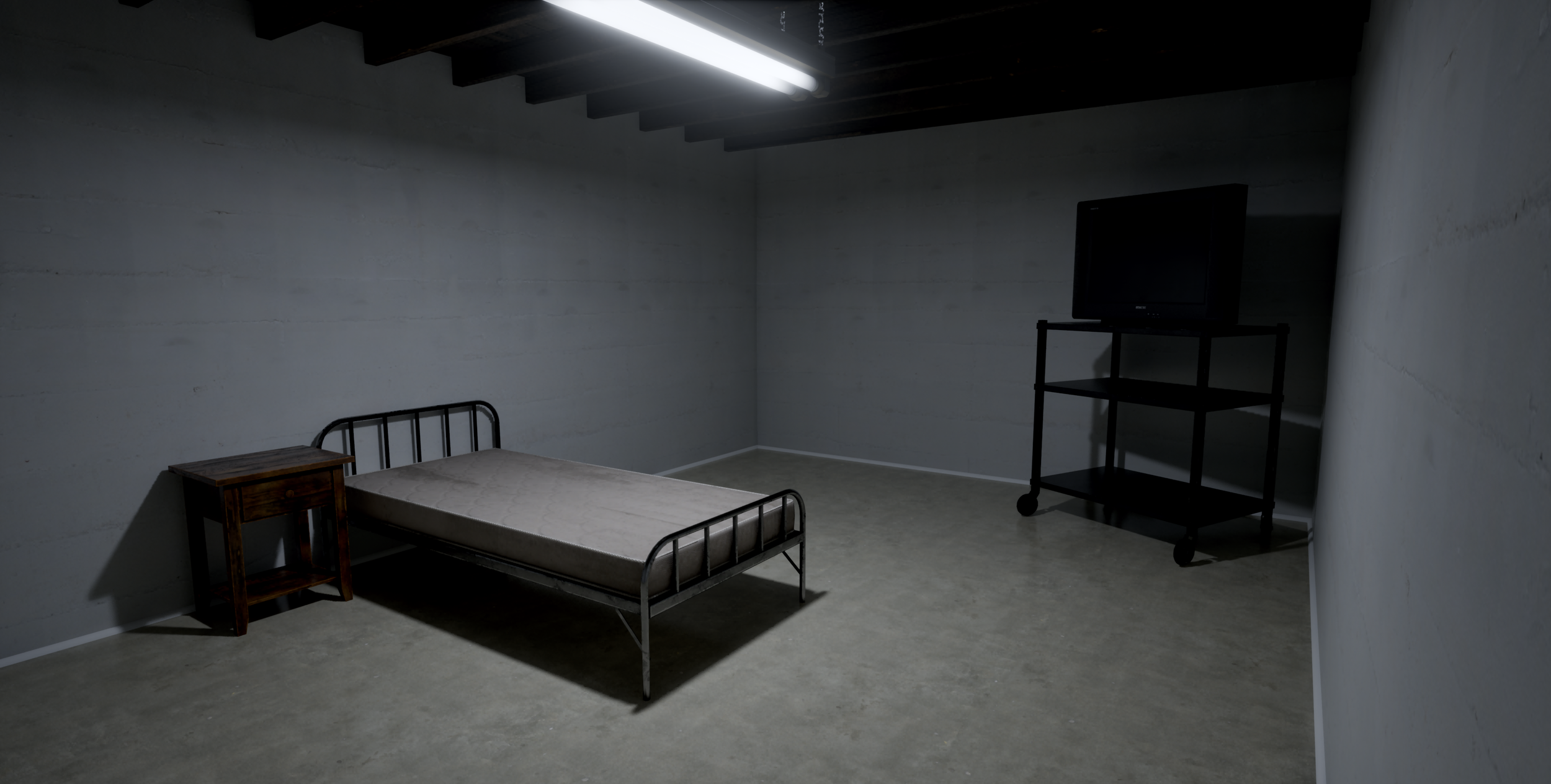
Basement
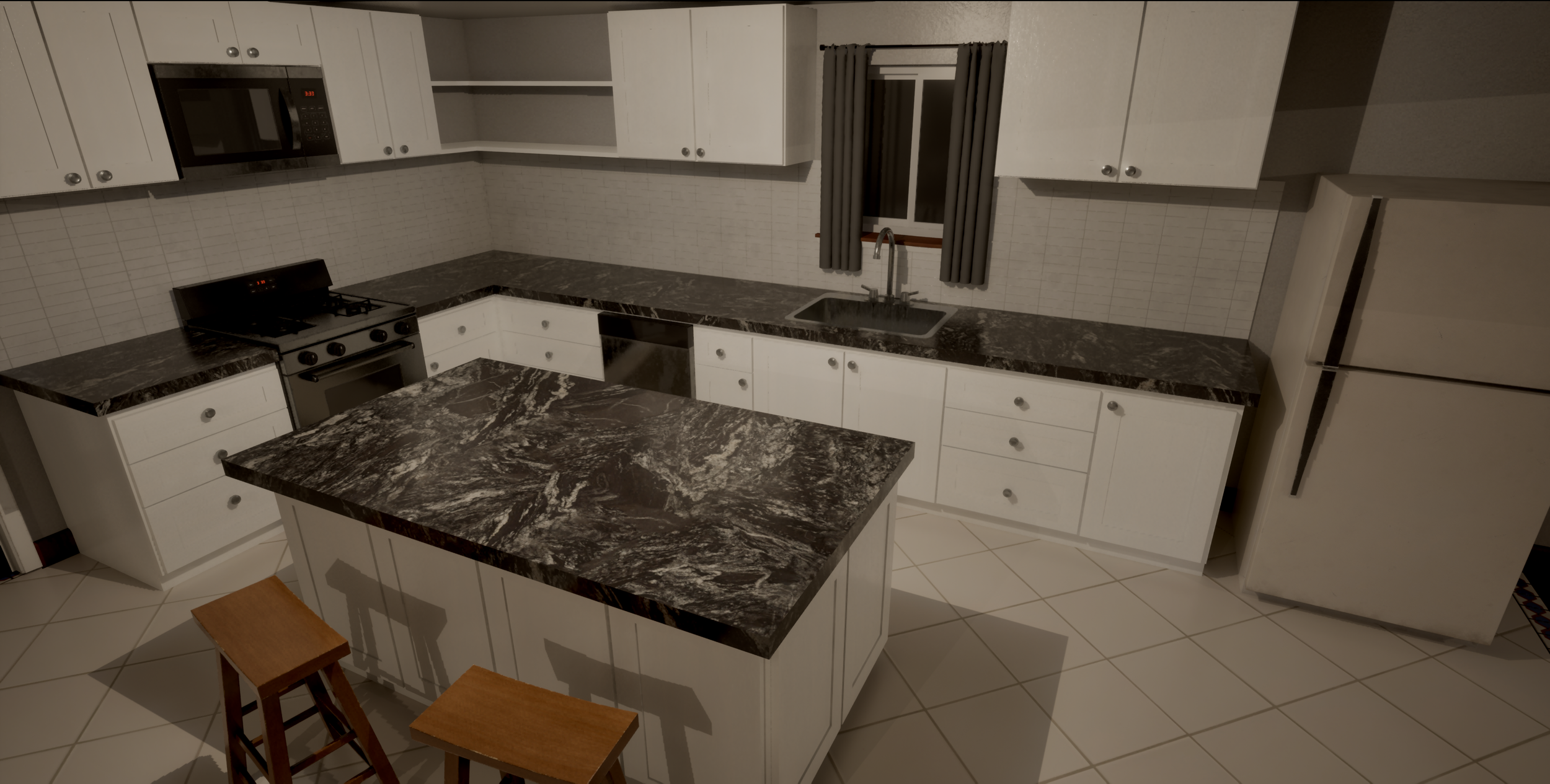
Kitchen
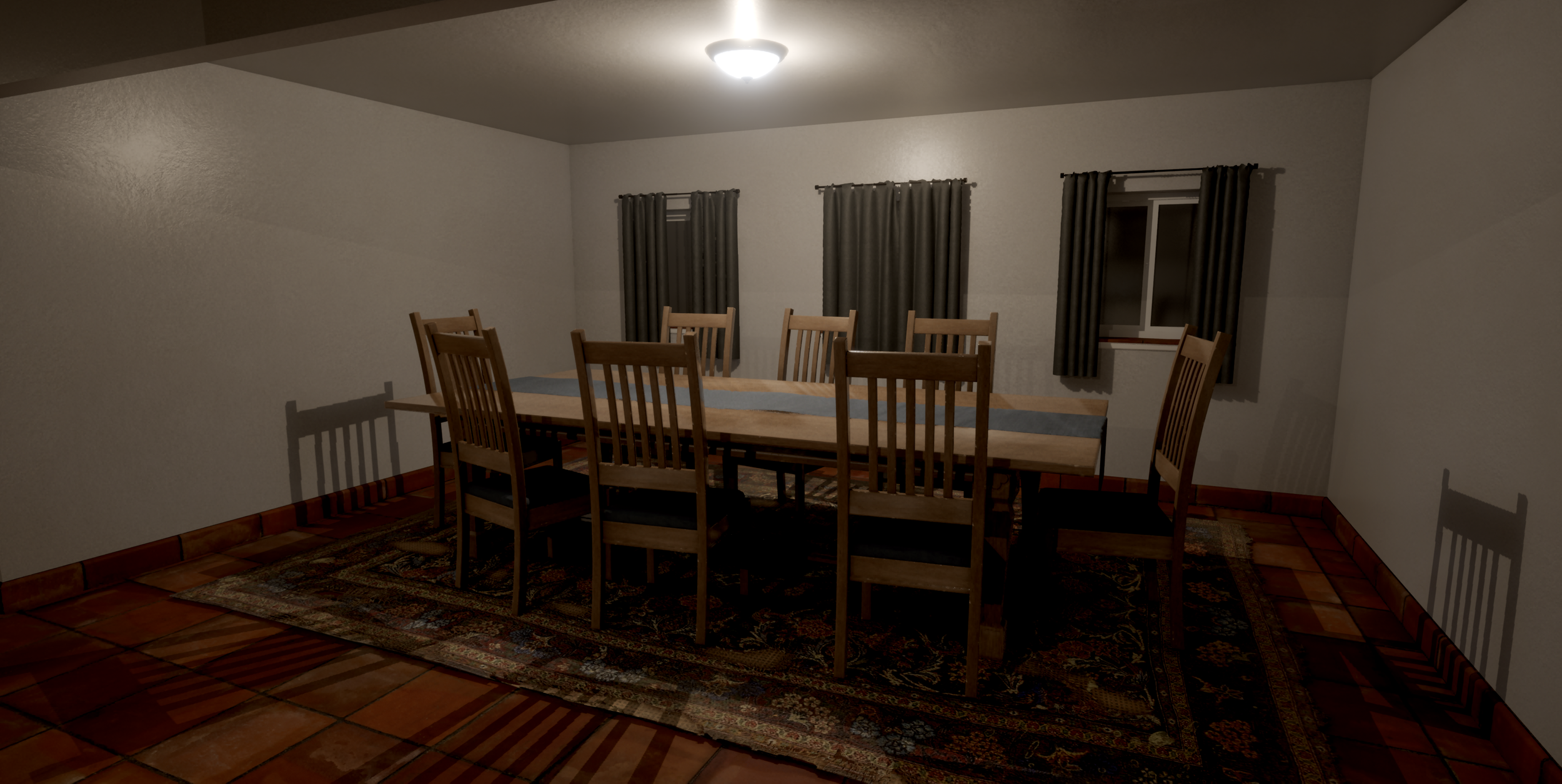
Dining
THE ZONE SYSTEM
THESEUS draws its name from the ancient thought experiment: if you replace every plank of a ship, is it still the same ship? This question of identity sits at the heart of the game's narrative. To reinforce these themes mechanically, I designed the home's floorplan to literally shift as the player progresses. Rooms relocate. Hallways lead to different destinations. The space itself becomes unreliable, mirroring a fractured sense of self.
This narrative ambition demanded a technical solution that could dynamically load, unload, and reposition entire rooms at runtime. The result is the Zone System—a custom C++ framework I built from the ground up in Unreal Engine 5.
How It Works:
The system centers around the “ZoneMap” class, a controller that spawns and manages individual zone Blueprints based on configurable mappings. Each zone can exist in three states: Full (complete geometry and lights), Doors Only (just locked entry doors hinting at adjacent spaces), or Dormant (nothing loaded). This tiered approach keeps only relevant areas in memory while maintaining visual continuity.
Doors and windows spawn procedurally from FBX markers embedded in the architecture, allowing me to define positions in Blender and have the engine instantiate assets automatically. Overlap triggers handle seamless transitions as players move through the house.
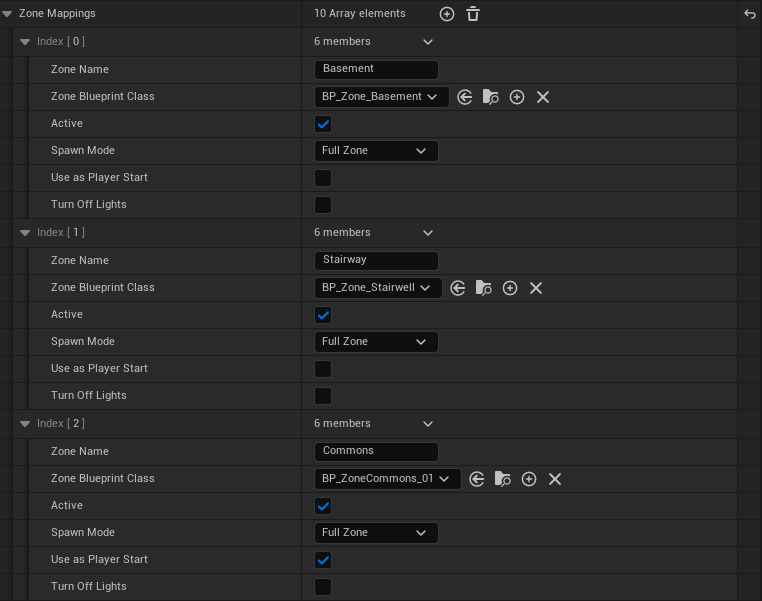
Because the ZoneMap controls where each zone spawns, I can restructure the house's layout through simple Blueprint calls—the same doorway leading to different rooms at different story beats.
ARCHITECTURE
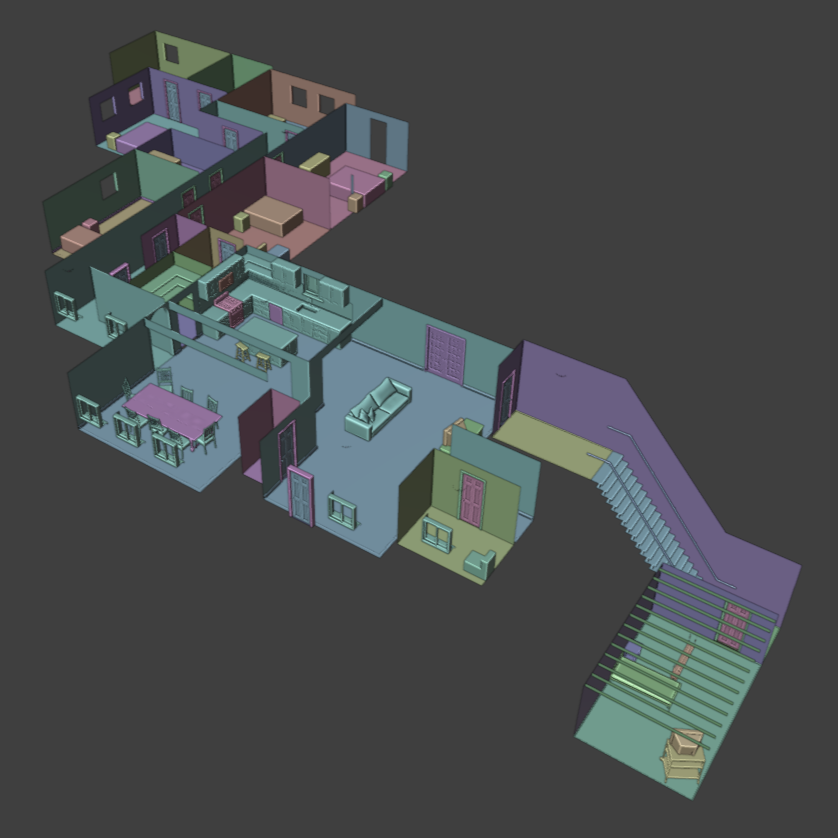
The full floor plan with blockout in Blender.
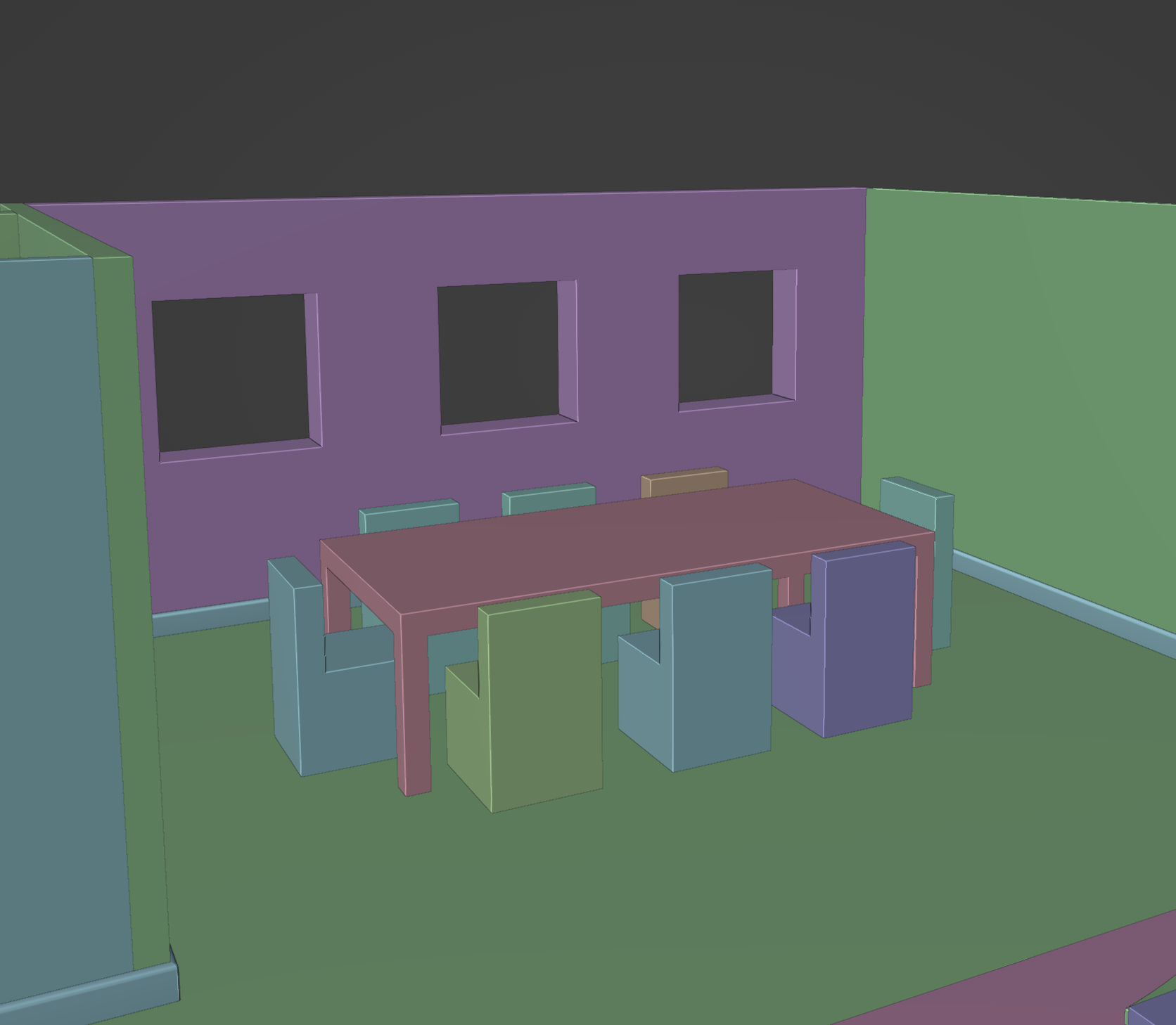
Blockouts were primarily done alongside the architecture to maintain the illusion of realistic scale.
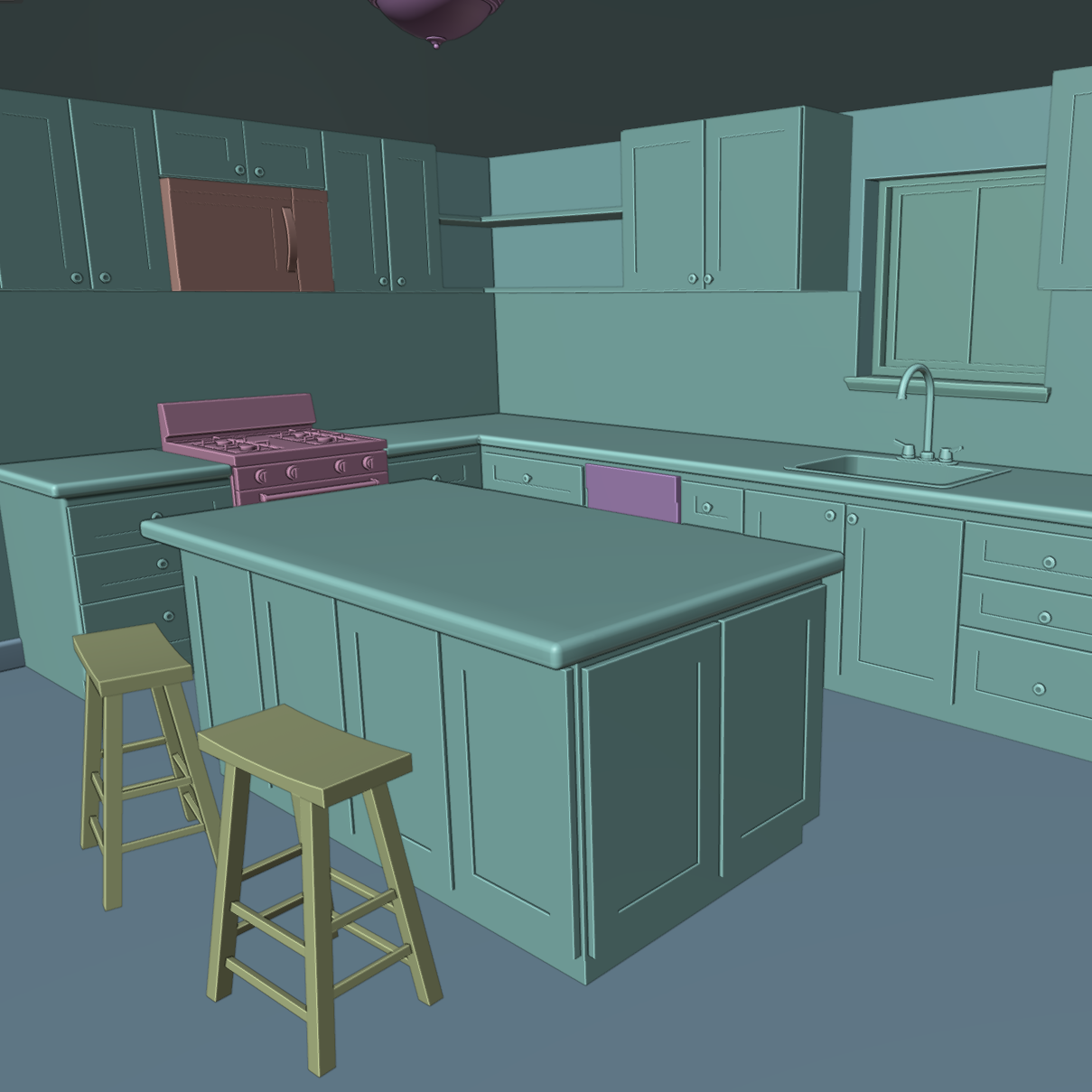
The kitchen cabinetry also benefits from World Space, Tri-planar projected, materials.
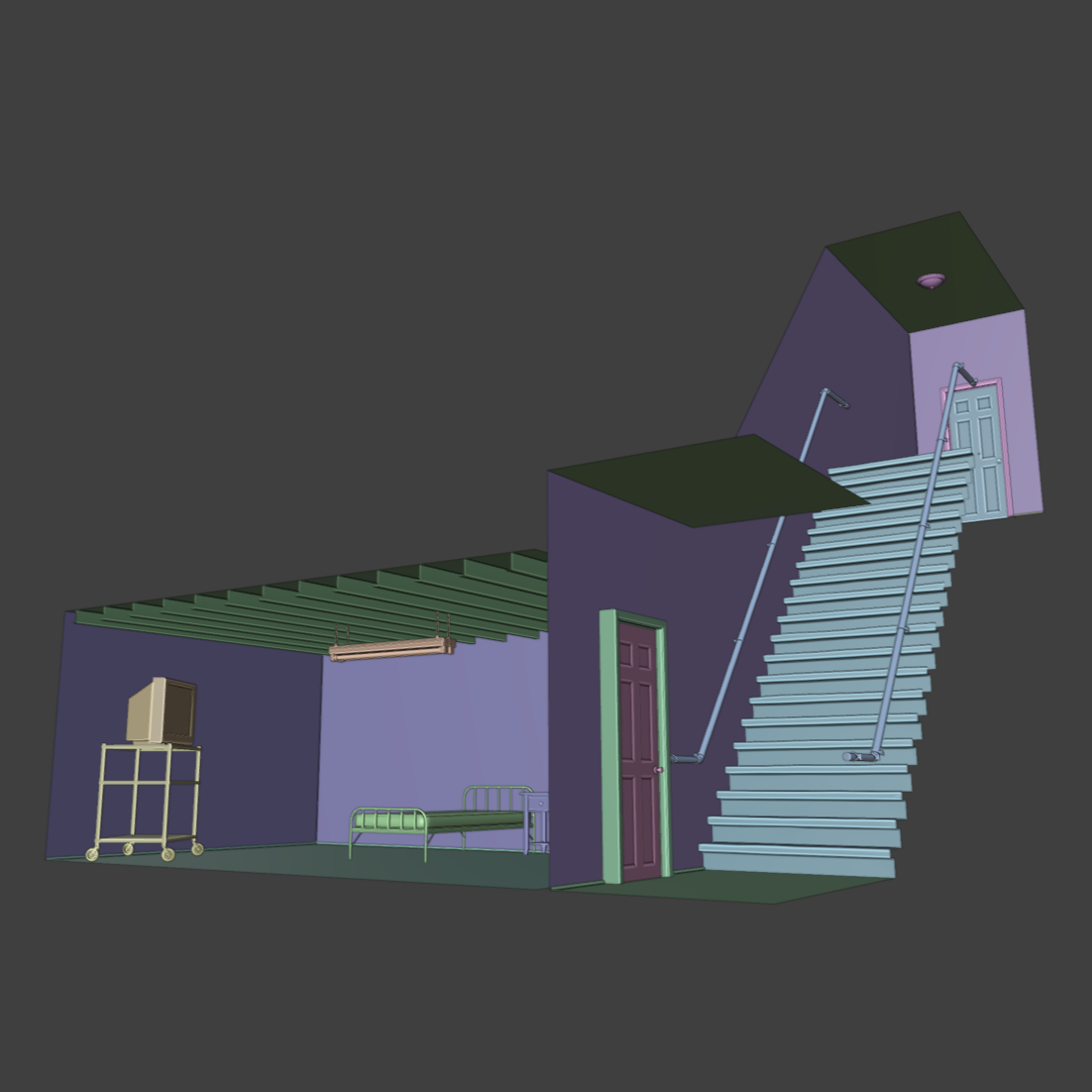
Basements are uncommon in Santa Fe, but they are also weird and cool.
PROP ASSETS
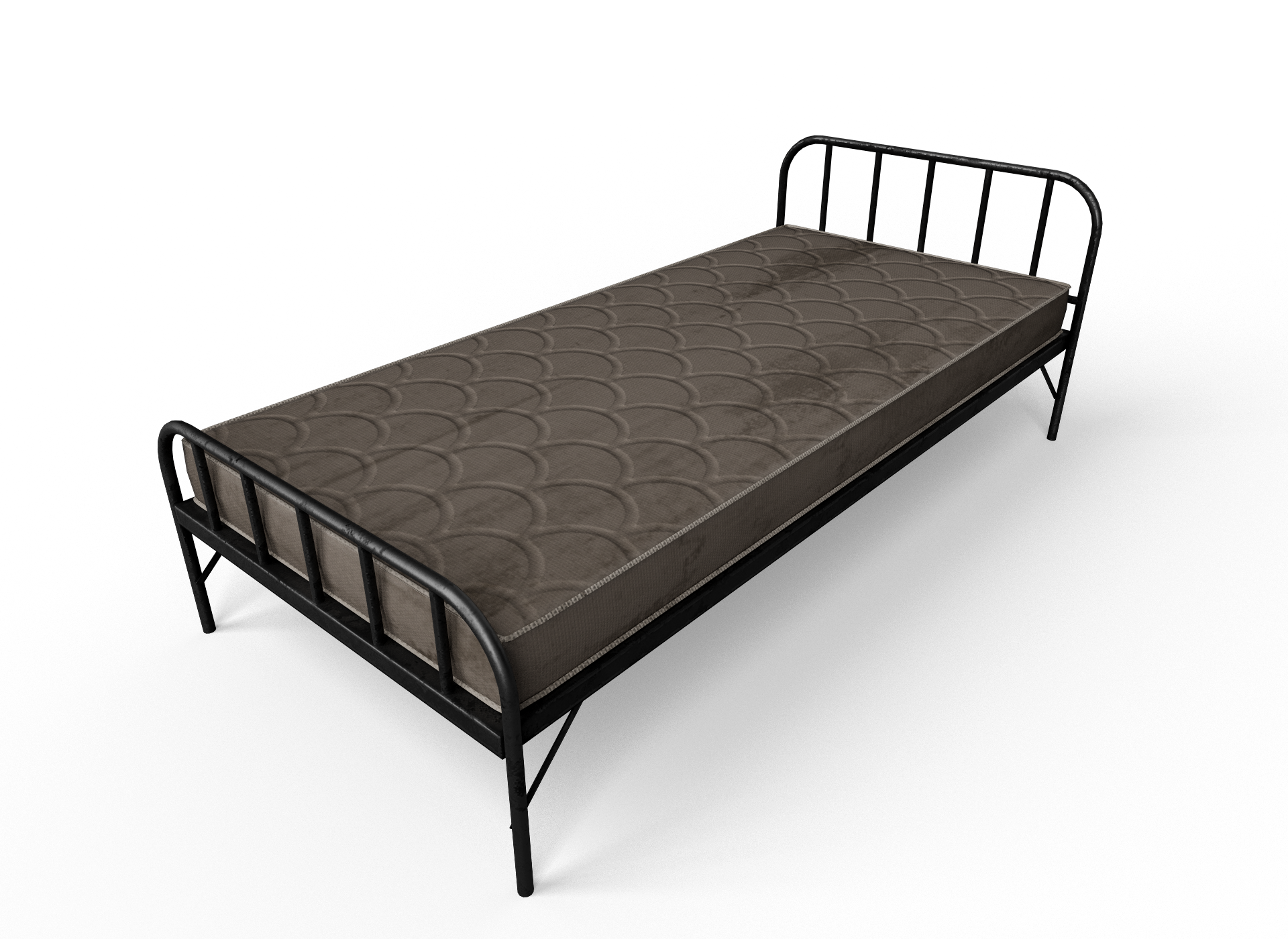
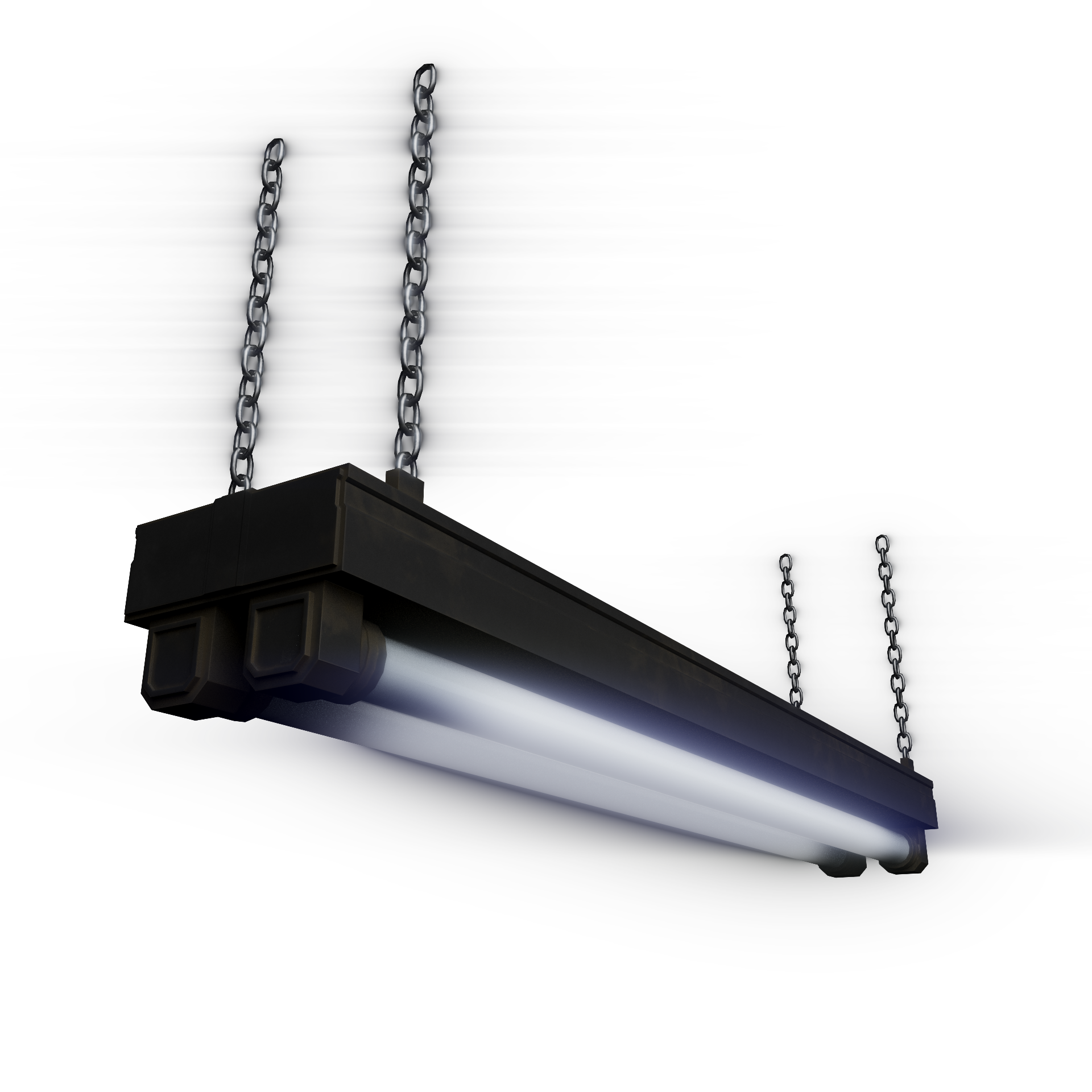
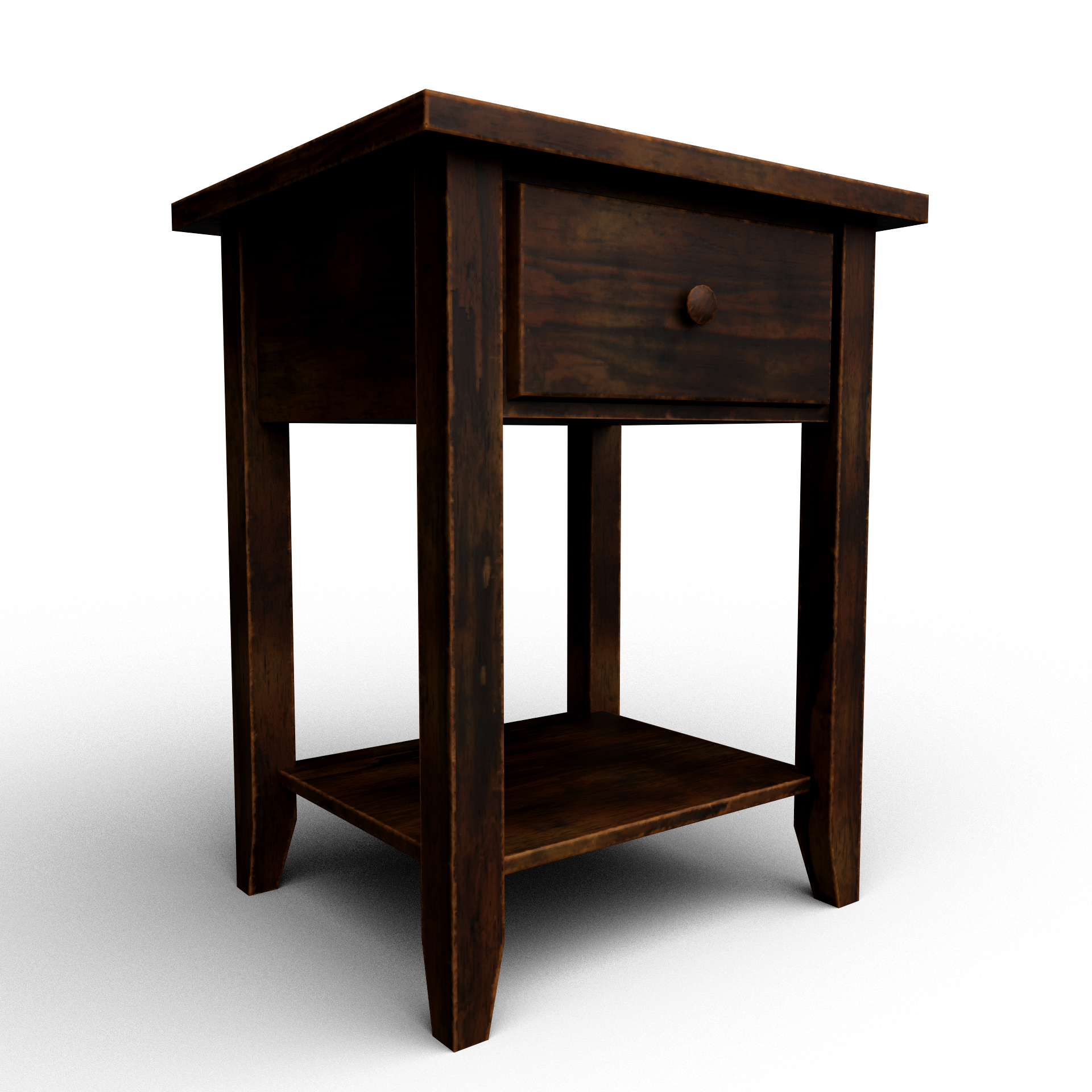
These assets represent the first round of prop modeling, using a classic low-poly workflow with baked normal maps for detail. All models were created in Blender and textured in Substance Painter.
THRESHOLD TILE SUBSTANCE MATERIAL
The most challenging material to source was the locally acquired, hand-painted threshold tile used throughout my home. I recreated it as a procedural material in Substance Designer, achieving a close visual match.
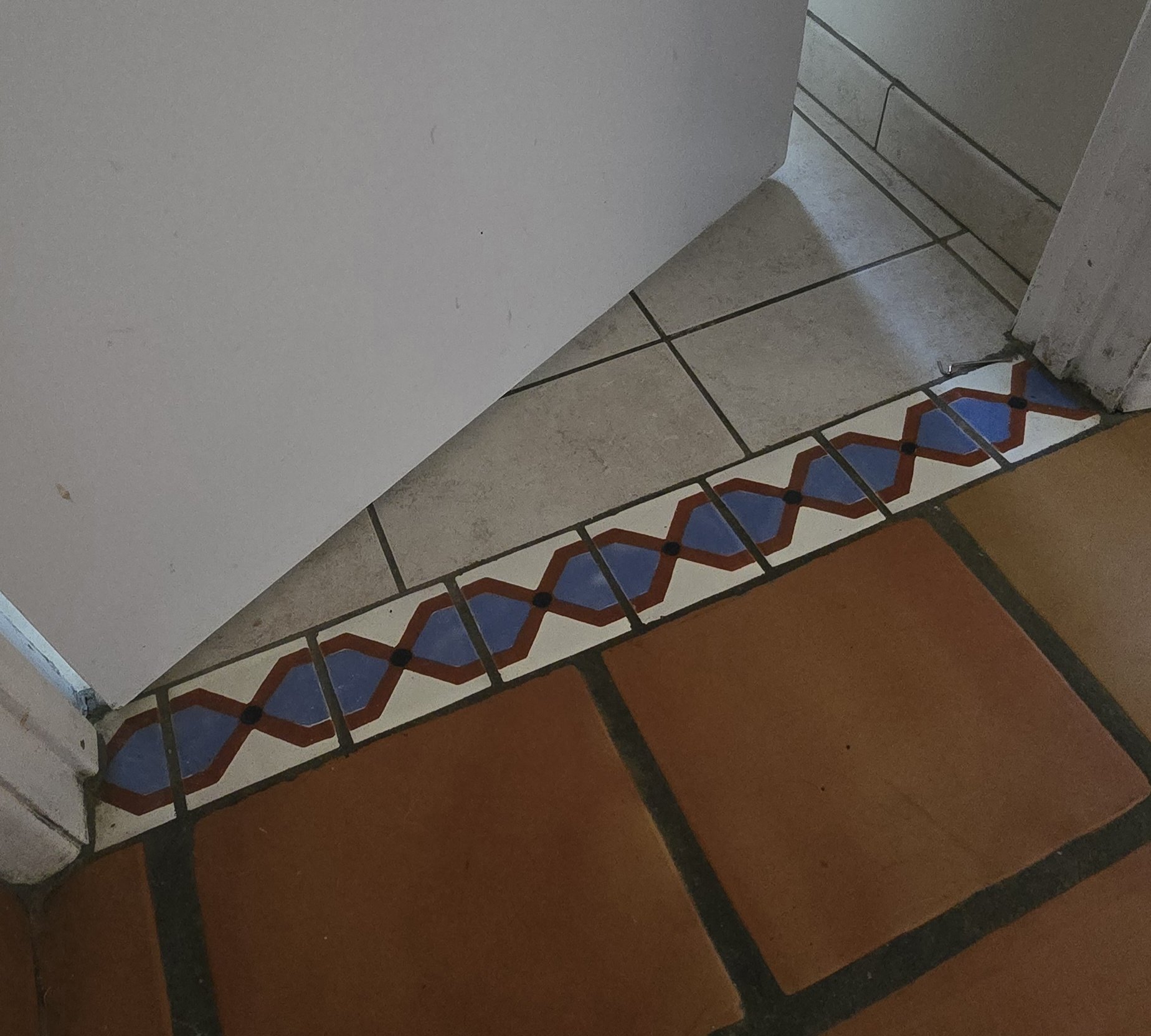
Threshold Tile Reference from my the entrance to my hallway bathroom
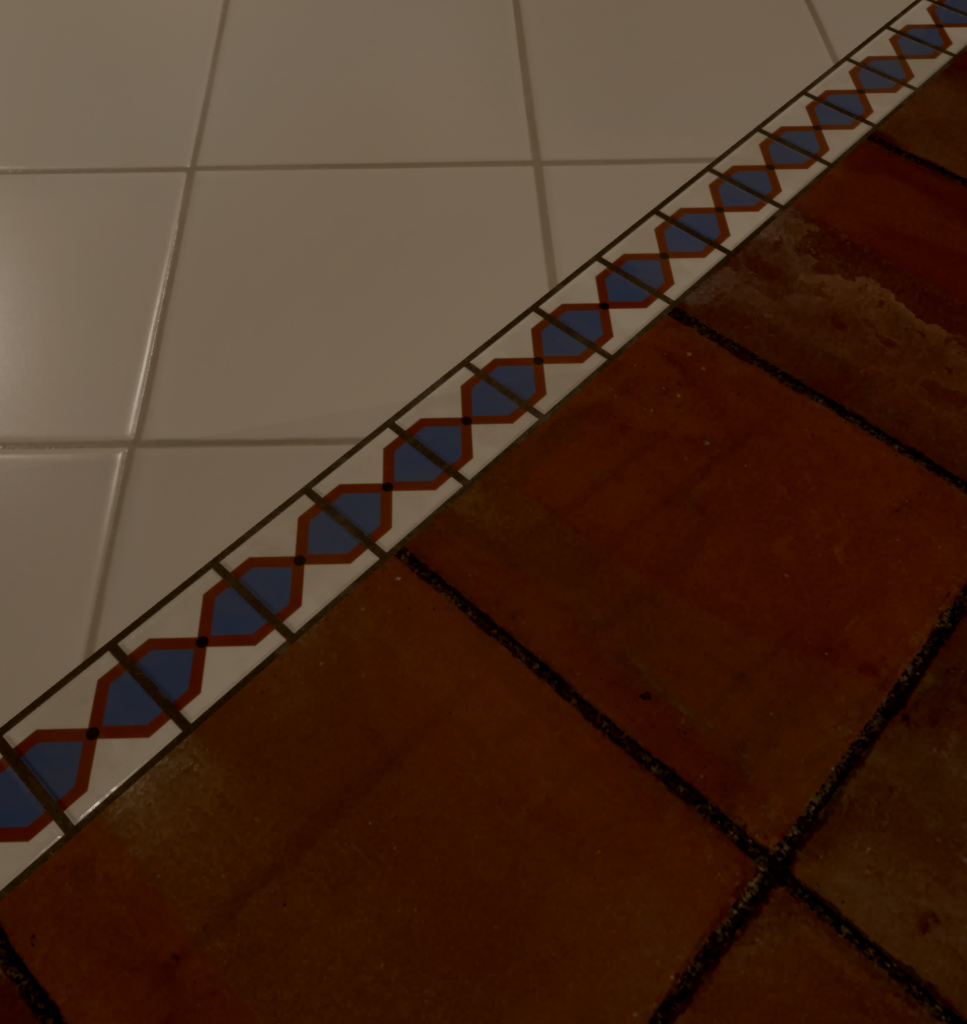
Result in the Living Room to Kitchen Transition
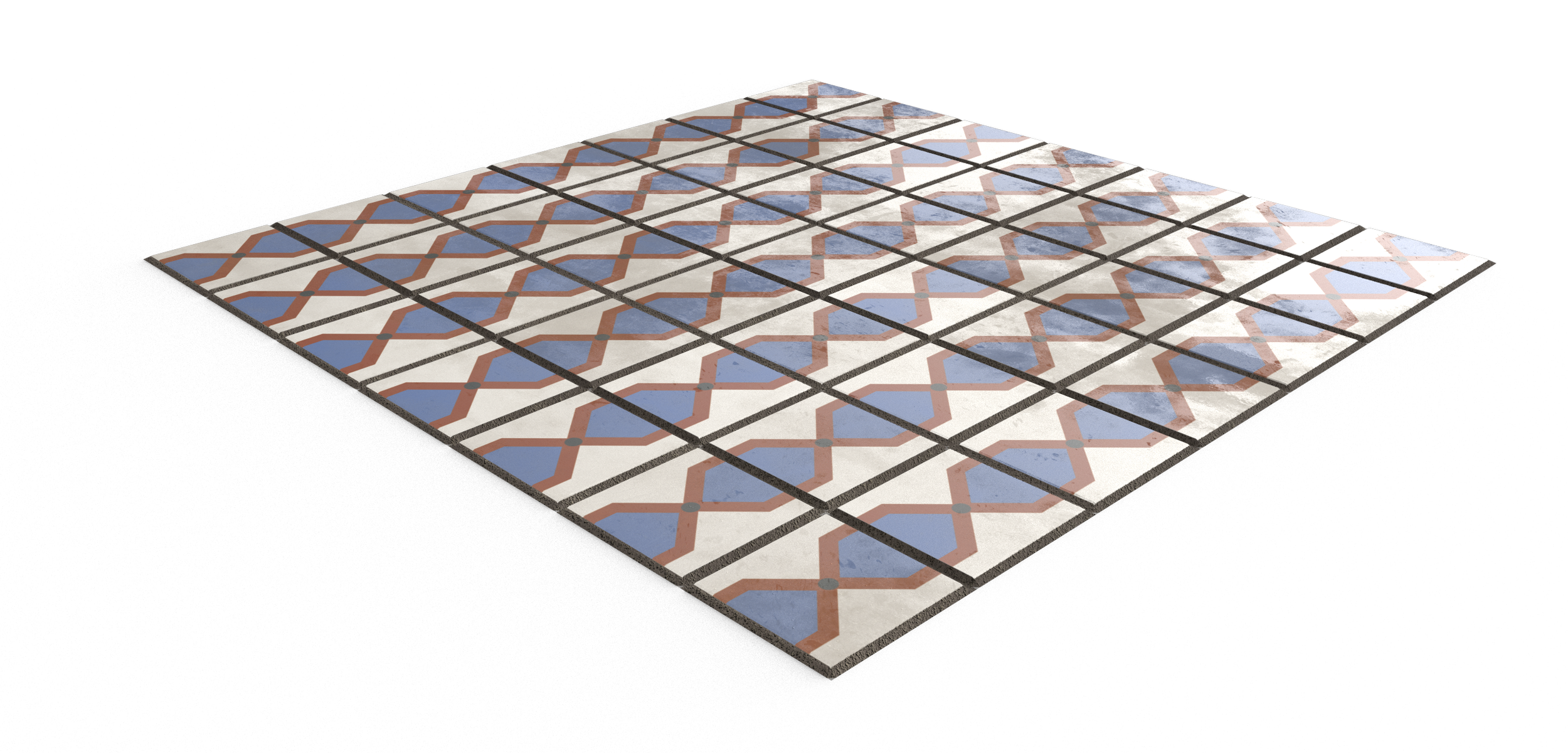
Substance Material Render
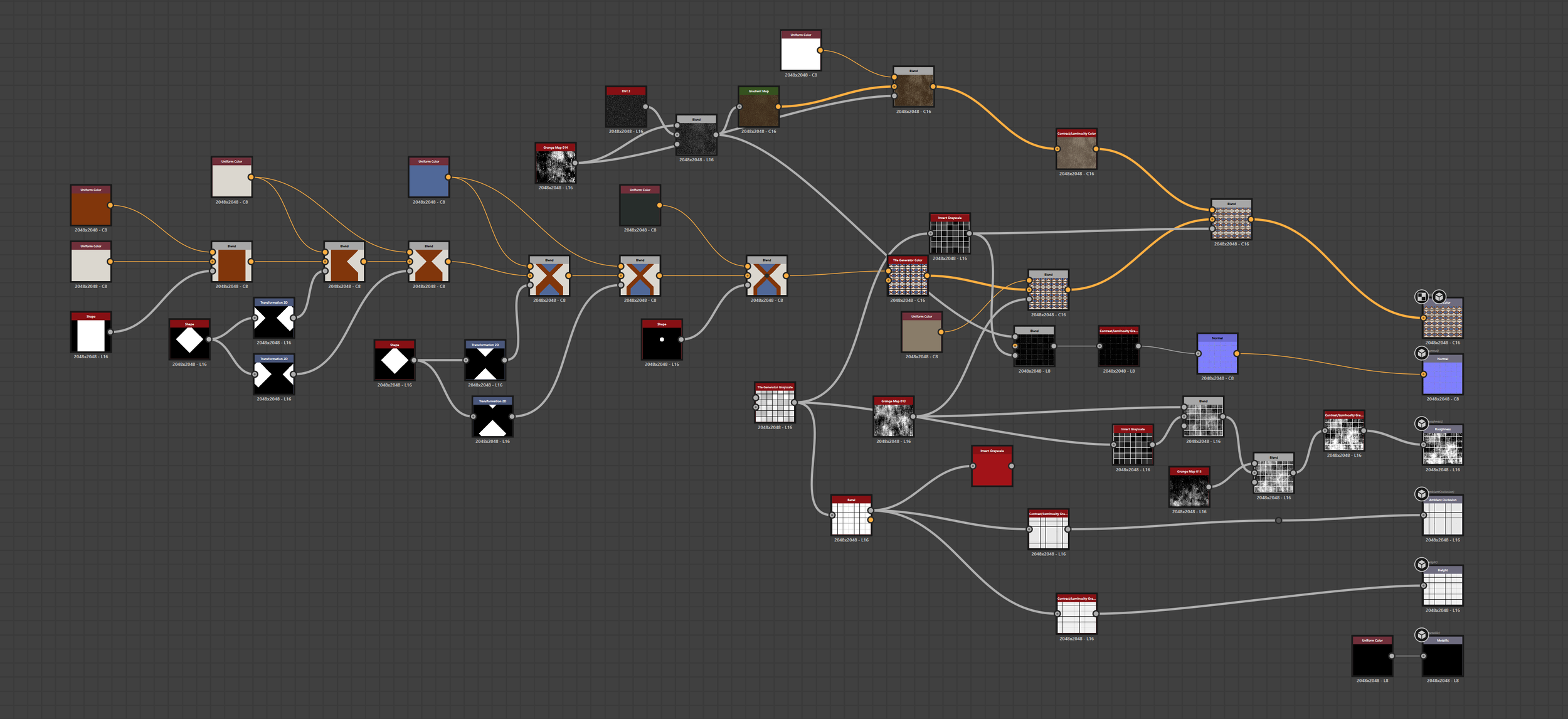
Substance Designer Graph