TV
*
TV *
For my current in-progress Unreal Engine project, I developed a narrative sequence in which the player character converses with a voice emanating from a television. This sequence involved modeling and texturing the TV asset in Blender and Substance Painter, recording and processing both the static loop and dialogue audio in Bitwig Studio, integrating an open-source dialogue system for Unreal, and creating a custom shader that reacts to each voice line via an audio envelope follower.
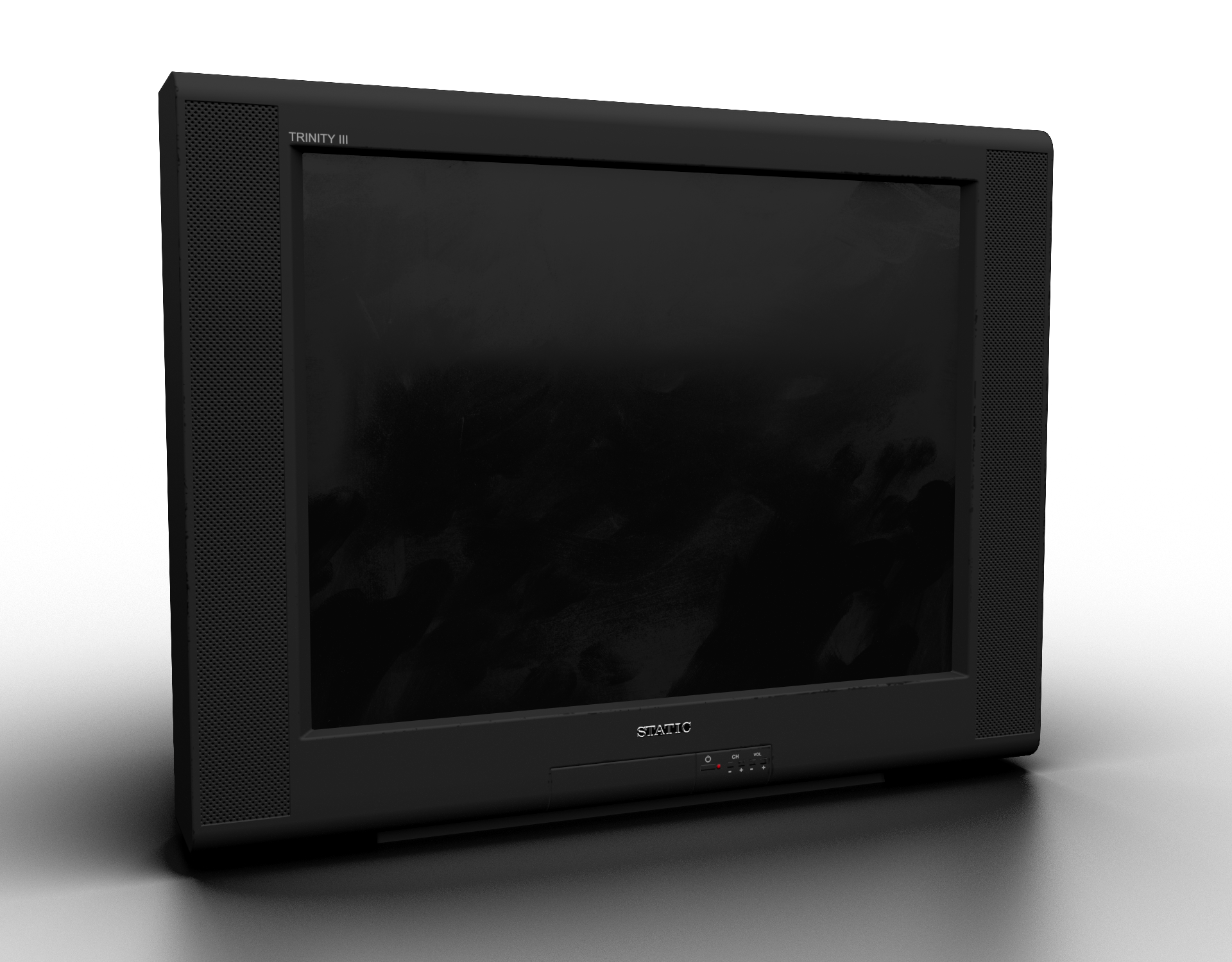
Using a standard game-ready workflow, I modeled both low- and high-poly versions of the mesh in Blender, then baked the high-resolution details into textures in Substance Painter, adding text, symbols, and speaker grilles.
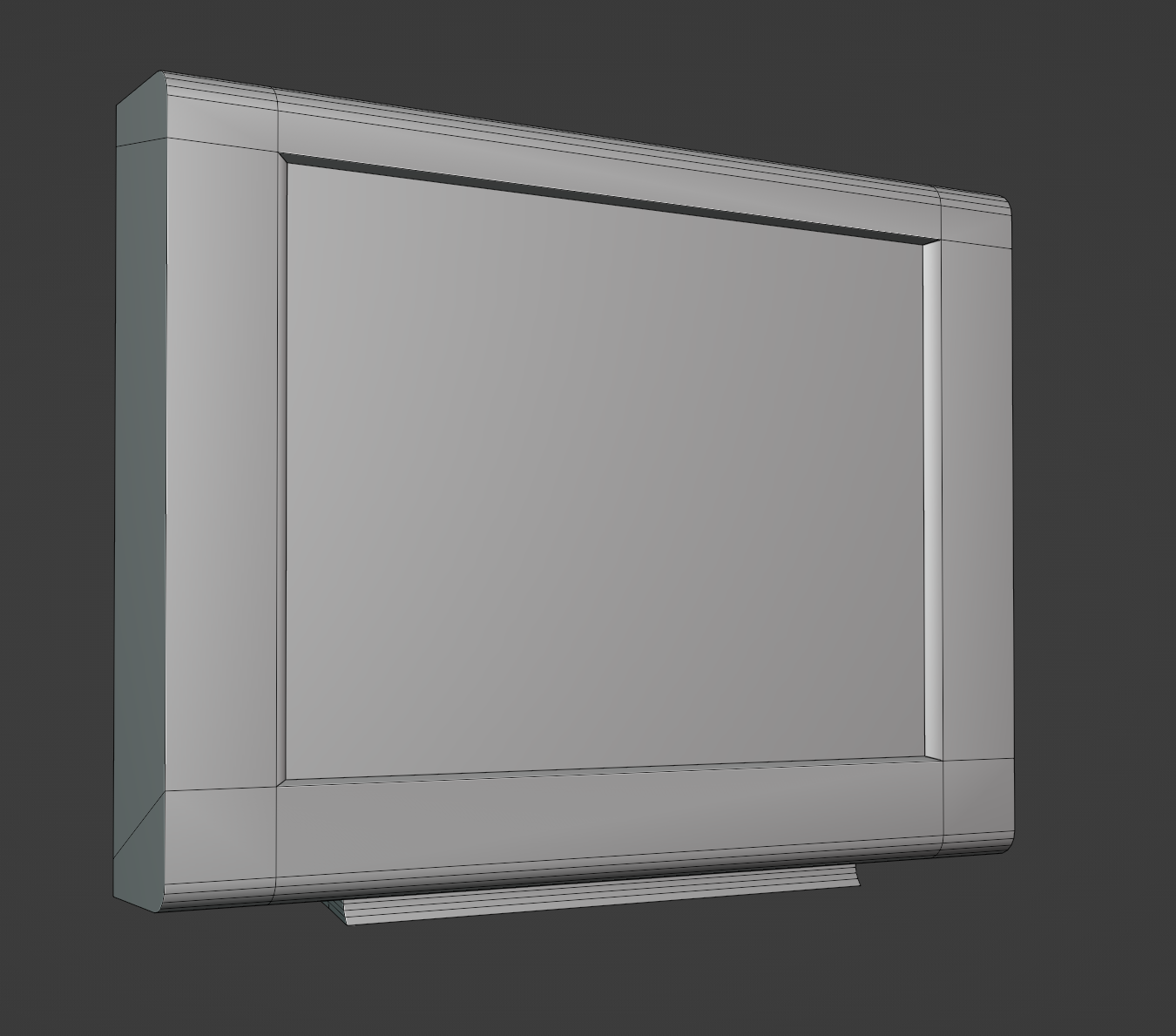
Low Poly Model - 258 Triangles
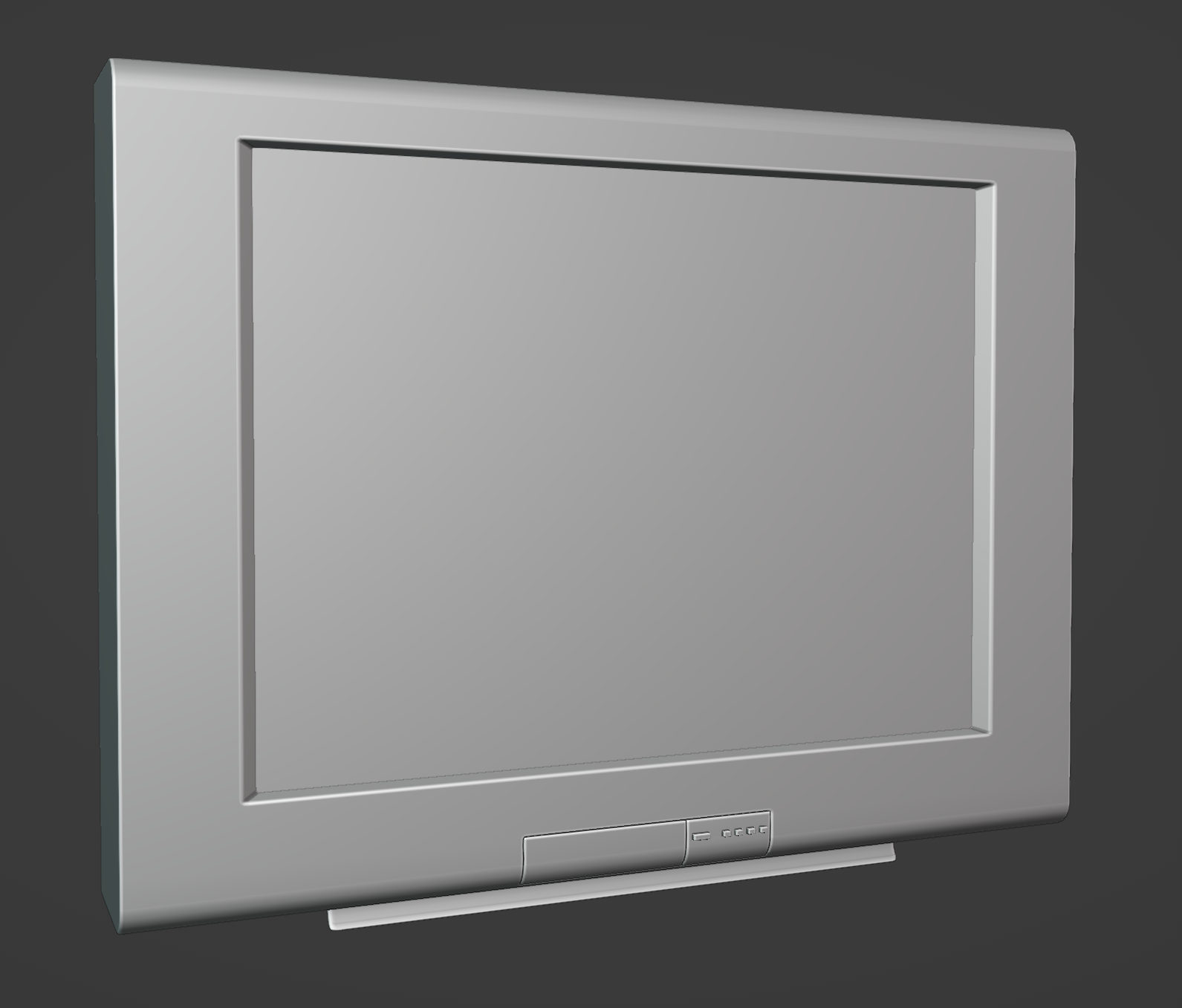
High Poly Model - 4,244 Triangles

Base Color
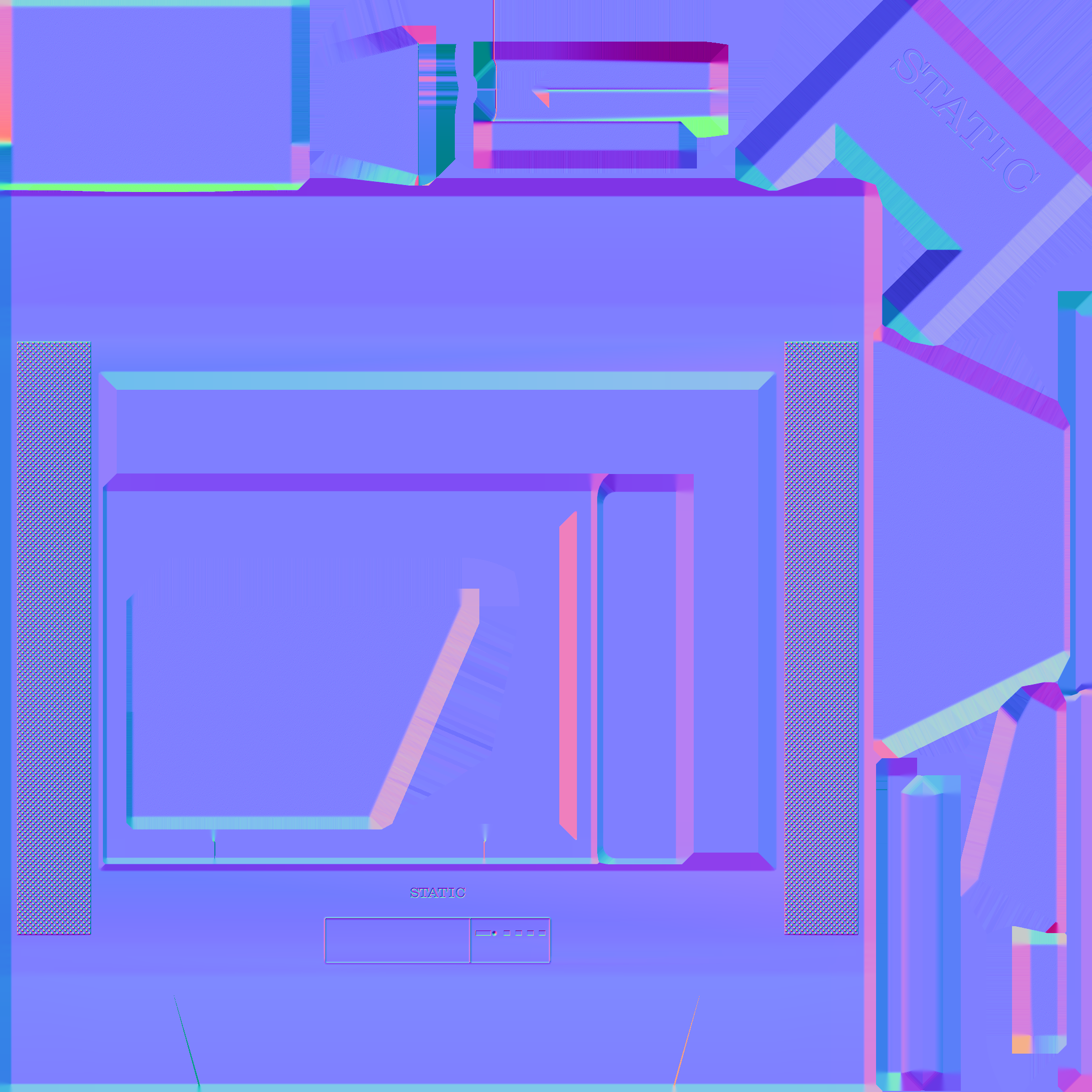
Normal
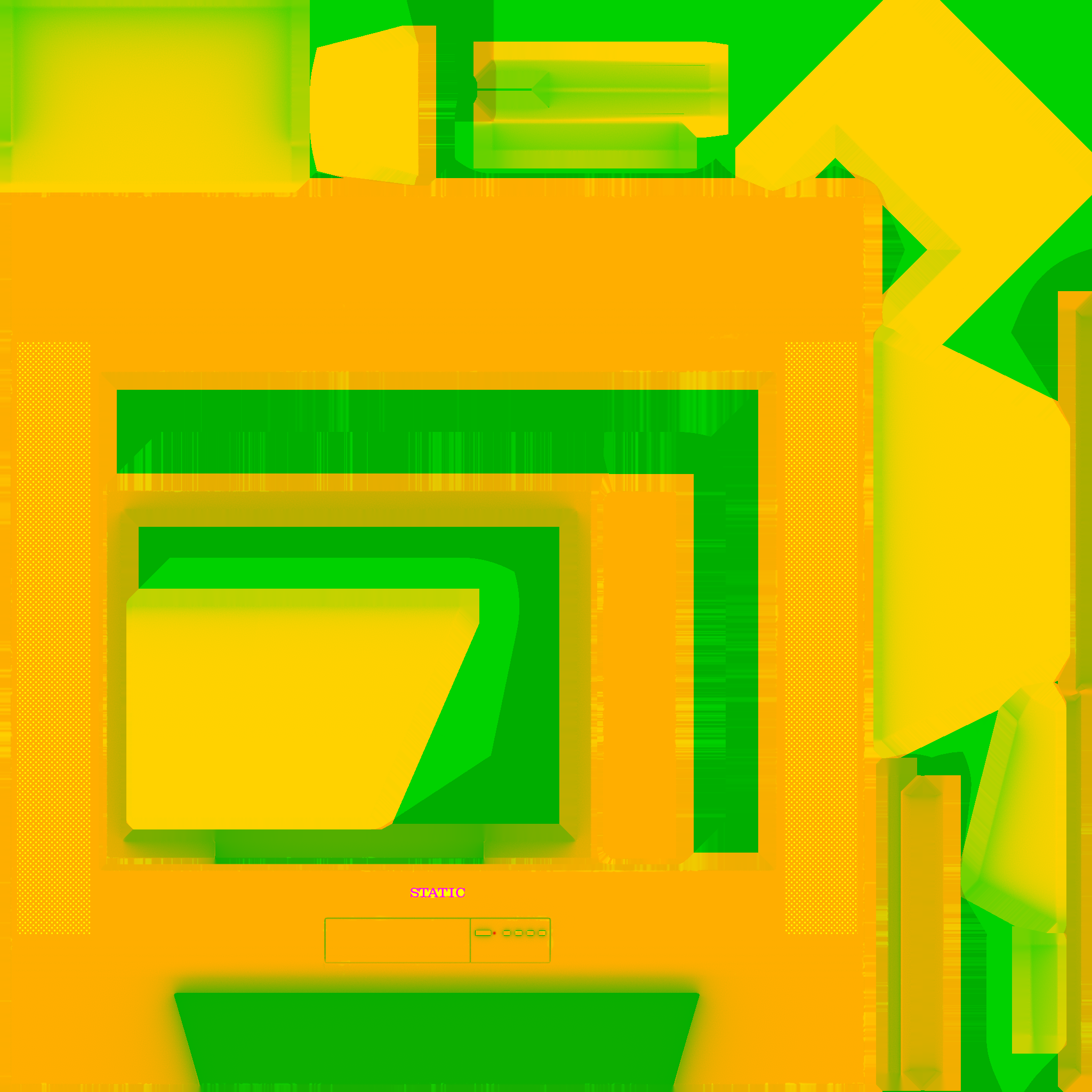
Occlusion Roughness Metallic
AUDIO PROCESSING
Using Bitwig Studio, an SSL 12 audio interface, an SM7B microphone, and a Cloudlifter, I recorded each voice line and built a reusable processing chain that could be consistently applied across all dialogue.
To achieve the effect of a voice emerging from television static, I routed my recorded speech as the modulator in a vocoder, with TV static serving as the carrier signal. This approach allows the spectral and rhythmic characteristics of the original voice to shape the noise, producing intelligible speech that feels synthesized and broadcast-bound rather than naturally spoken.
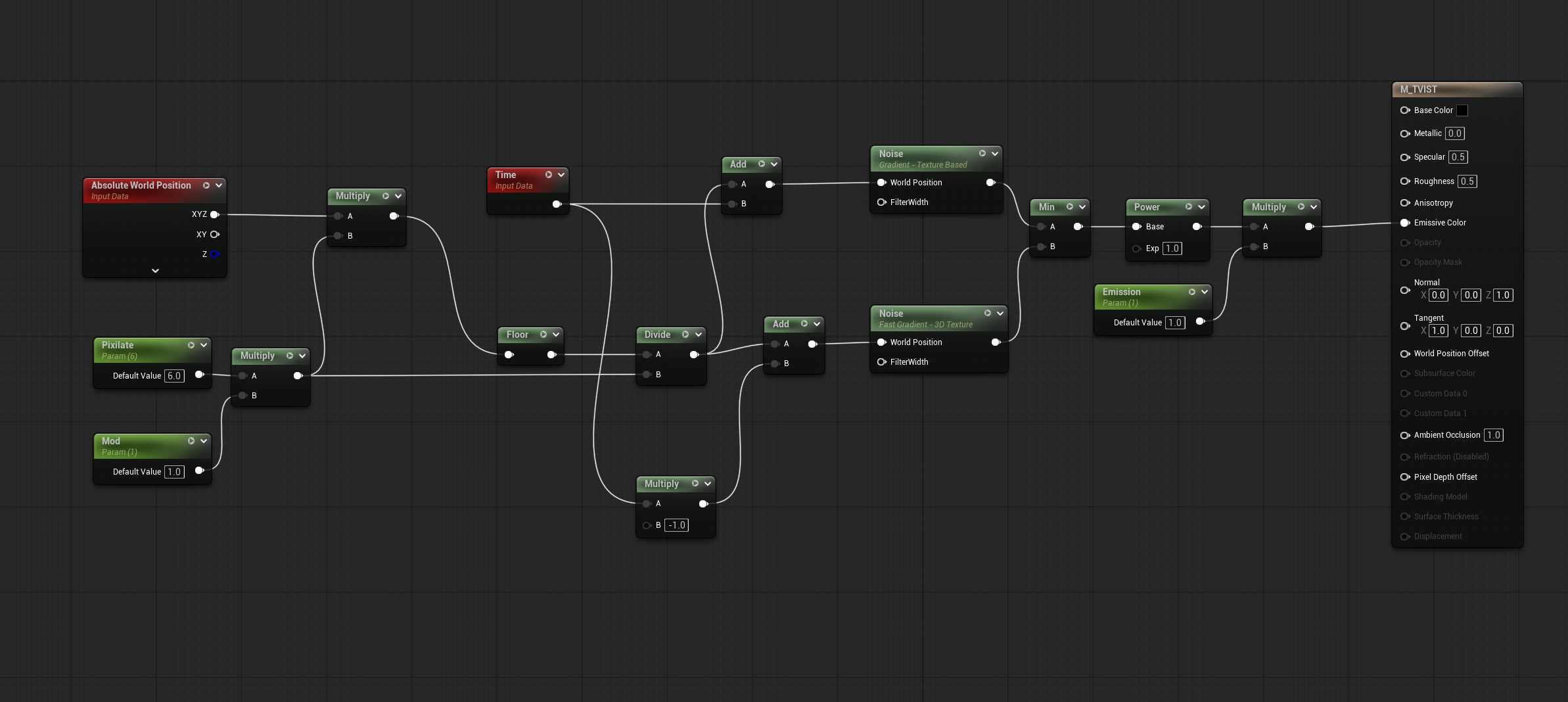
The next step was to create an animated emissive static texture for the screen. Key parameters were exposed to enable real-time procedural visual control through a dynamic material instance.
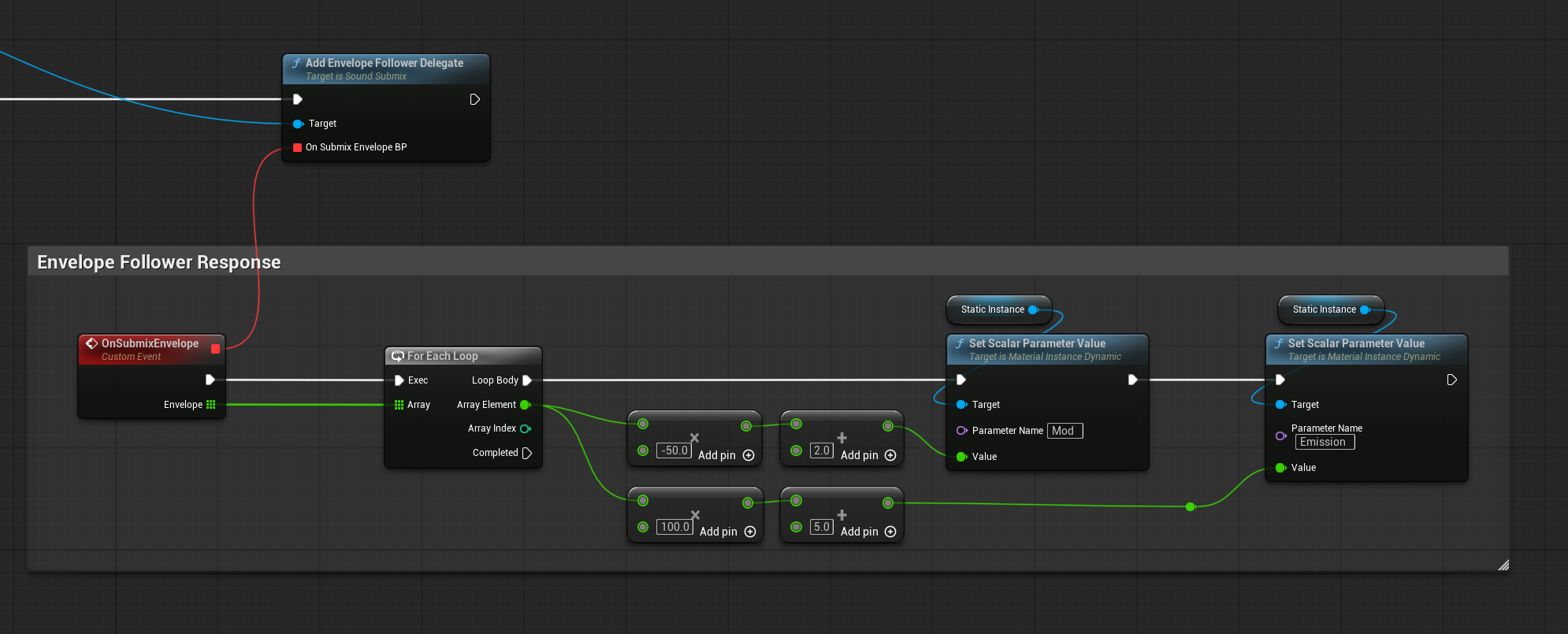
Next, I routed the TV’s audio component to a dedicated submix and used the submix’s envelope follower output to drive two material parameters in real time as the dialogue played.
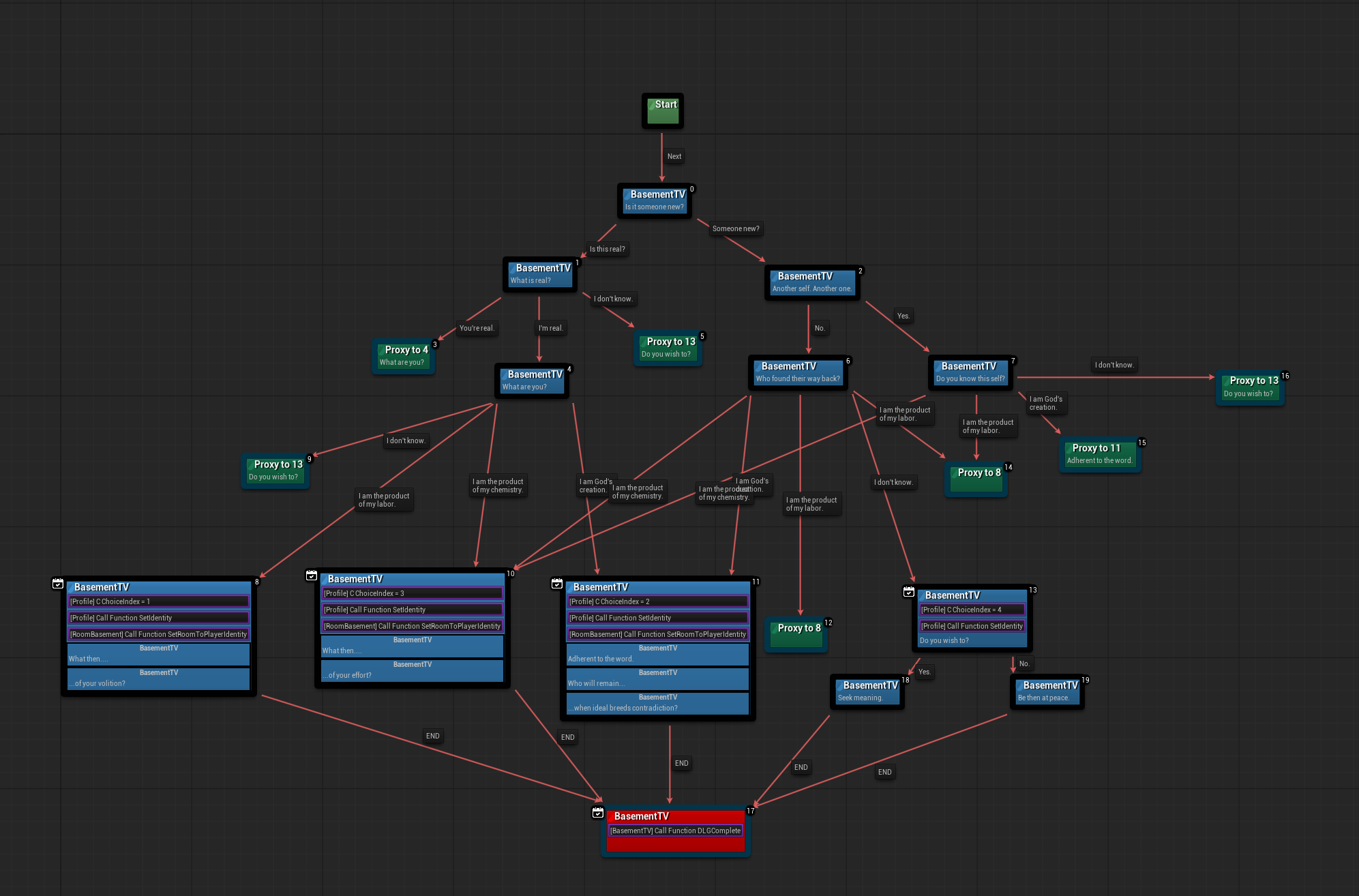
I integrated a fully customizable, open-source dialogue system called Not Yet into my interaction, UI, and audio systems. Each voice line’s audio is stored directly within the dialogue object and selected and played dynamically at runtime. In addition, specific dialogue elements contribute to a running record of player choices, which later drive immersive experiences tailored to each individual playthrough.